
What planners actually do
- Study data on population, traffic, housing and the environment.
- Hold public meetings so residents can share ideas and concerns.
- Write long-range plans and zoning rules.
- Review proposals for new buildings.
- Work with engineers, architects, environmental scientists and elected officials.
Big ideas in planning
- Mixed use: homes, shops and jobs close together so people can walk.
- "Eyes on the street": Jane Jacobs's idea that busy, watched streets feel safer.
- Complete streets: designed for walking, cycling, buses and cars, not cars alone.
- Third places: everyday gathering spots such as libraries, cafes and parks.
- Green infrastructure: using trees, parks and rain gardens to handle heat and storms.
- Equity: making sure every neighborhood has parks, transit, clean air and services.
Becoming a planner
Most planners have a master's degree in urban or regional planning, often after studying geography, economics, environmental science or architecture. The US Bureau of Labor Statistics describes the job and its outlook. Students can start now: attend a city council meeting, volunteer on a local plan, or join a program such as UrbanPlan or the American Planning Association's resources for young people.
Questions students and teachers ask
What does an urban planner do?
Urban planners help communities plan how land is used and how they grow, by studying data, listening to residents and writing plans and rules that elected leaders approve.
What should I study to become an urban planner?
Geography, economics, environmental science, architecture or public policy are common starting points, usually followed by a master's degree in planning.
How can students learn about urban planning?
Attend a public planning meeting, map your neighborhood, try a design a city project, or explore programs from the American Planning Association and the Urban Land Institute.
Building pages to use with this guide
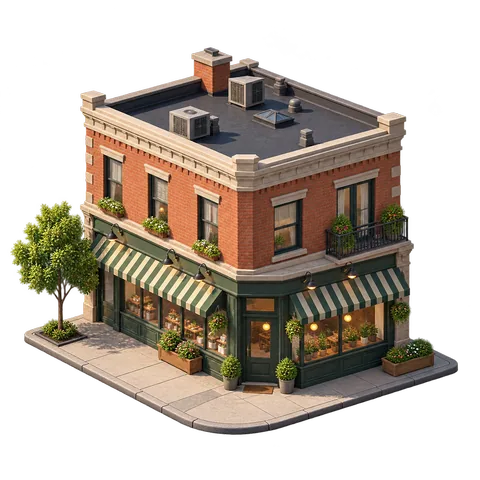 Modern TownShops with homes aboveA building with shops on the street and homes upstairs, keeping streets lively day and night.
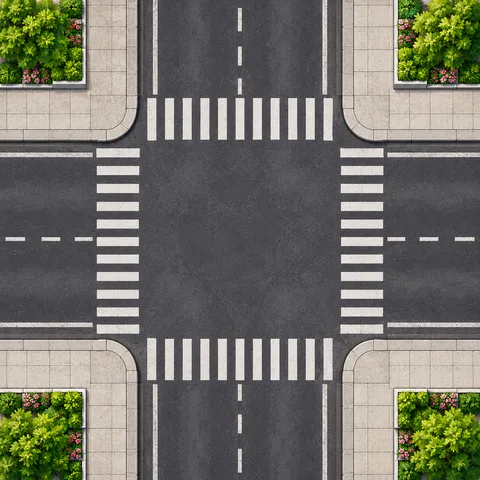 Modern TownStreets and crosswalksStreets are a town's largest public space. Their design decides whether walking, cycling and crossing feel safe.
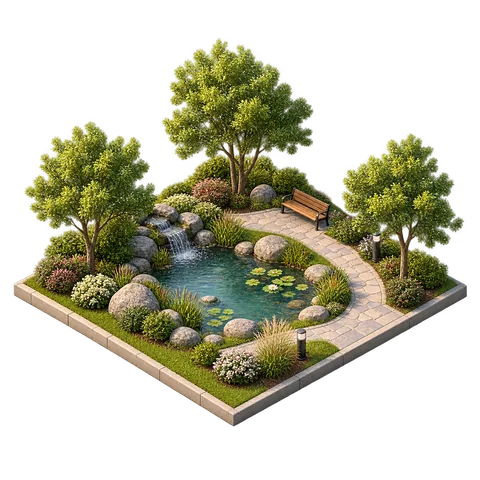 Modern TownCity parkTrees, grass, paths and water in the middle of town: free space to play, relax and cool down.
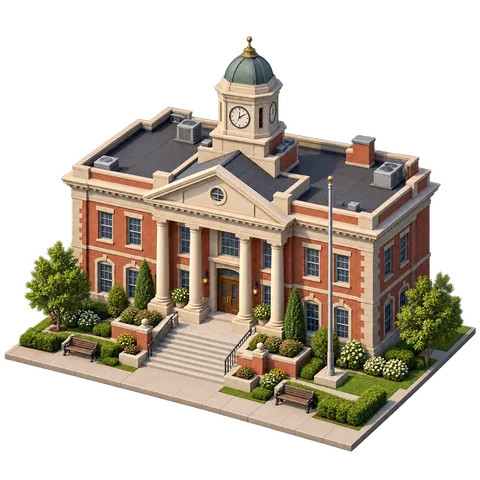 Modern TownTown hallThe home of local government, where elected leaders meet and residents get public services.
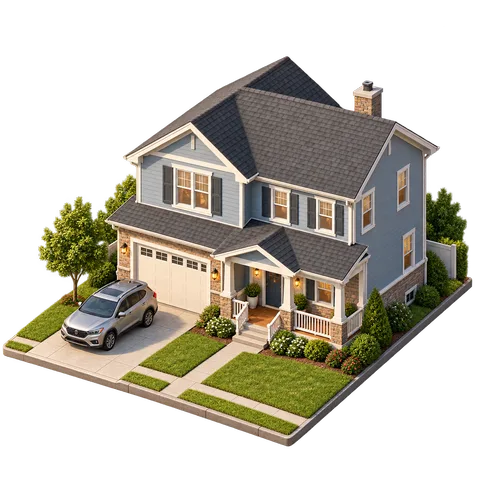 Modern TownSuburban houseA house with a driveway and garage on the edge of a city, designed around travel by car.
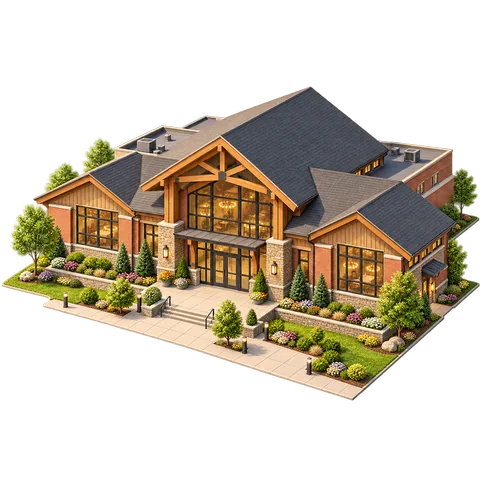 Modern TownCommunity centerA shared building for classes, clubs, meetings, celebrations and support, open to the whole neighborhood.
Sources
The facts in this guide are based on these sources:
- American Planning Association, "What Is Planning?" and "City by Design" resources for young people
- US Bureau of Labor Statistics, Occupational Outlook Handbook, "Urban and Regional Planners"
- Urban Land Institute, "UrbanPlan" program for high schools
- Jane Jacobs, "The Death and Life of Great American Cities" (1961)
- Ray Oldenburg, "The Great Good Place" (1989)
- US Environmental Protection Agency, "Green Infrastructure"