
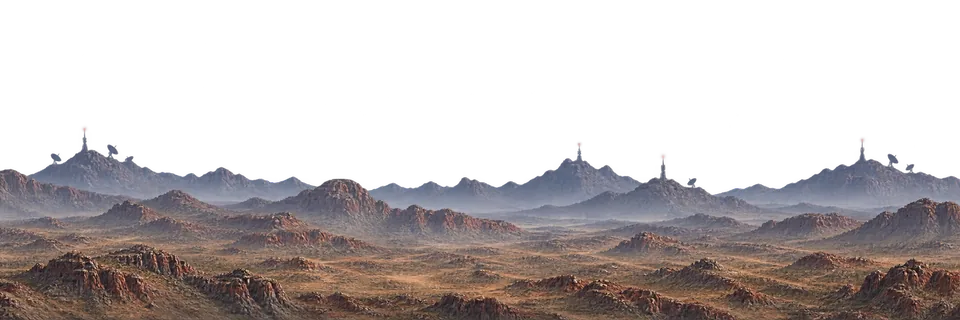
Speculative design setting
Robotic Future
One possible future: a settlement on the Moon or Mars. Each building explains how it could work, the real space technology that exists today, and how it would be powered, built and kept running.
- 34 places
- 4 vehicles
- 8 people
- 66 photos of real places
- Guided tour: Human choices in robotic cities
Look around the city
Select any building, person or vehicle to open its page. Everything is also listed below.
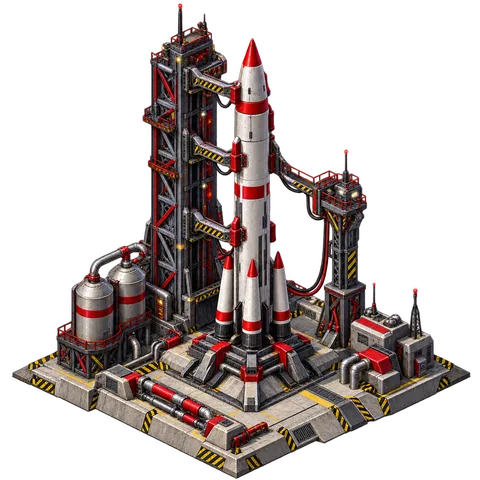 Launch pad
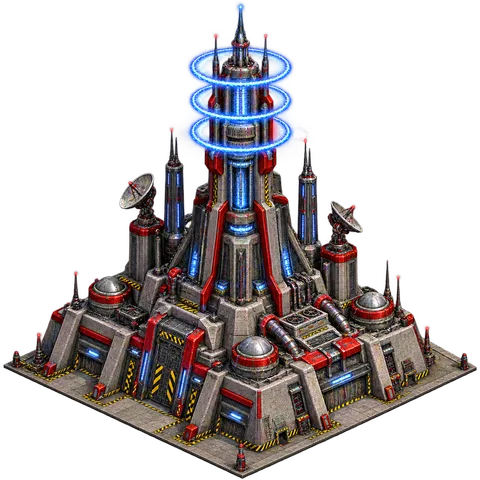 Space elevator anchor
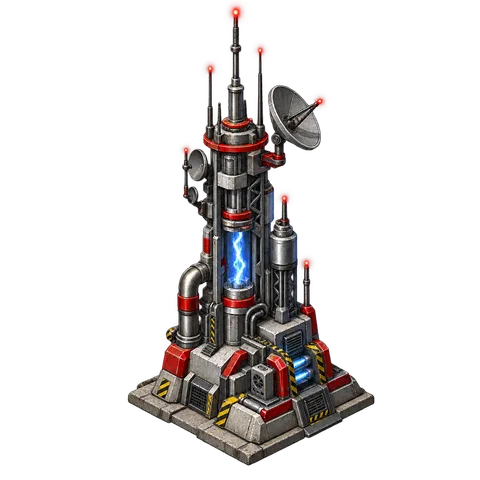 Communications relay
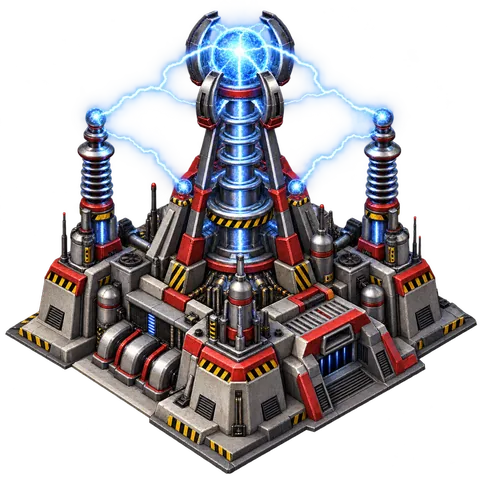 Power tower
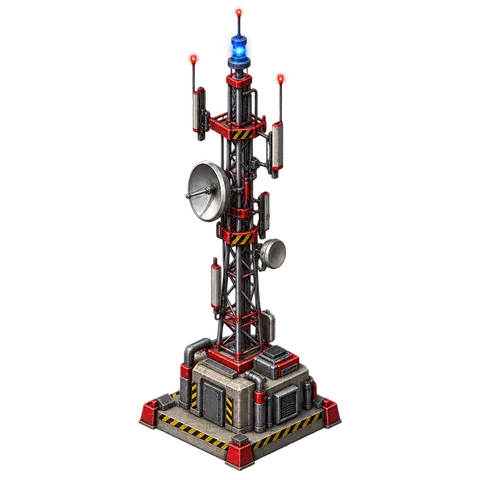 Space weather station
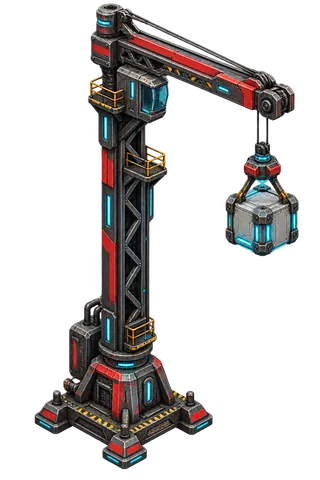 Robotic crane
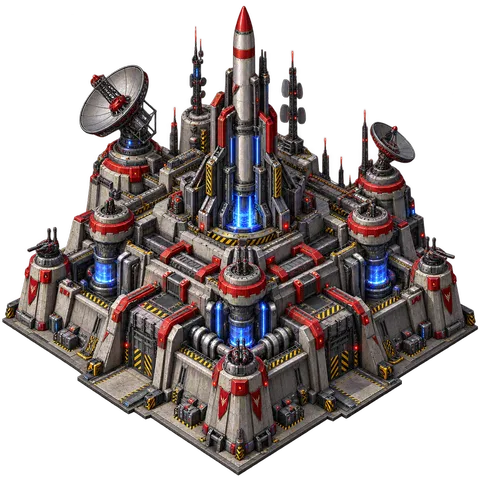 Spaceport
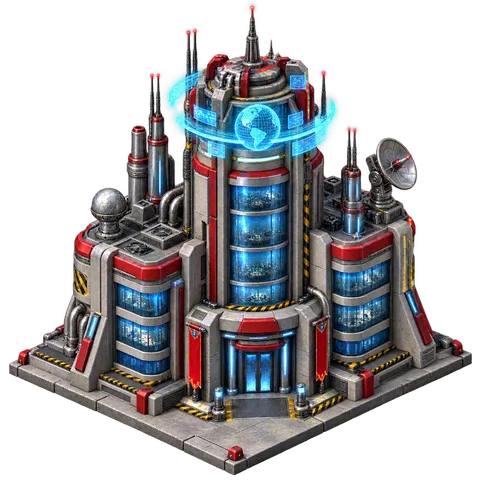 Mission control
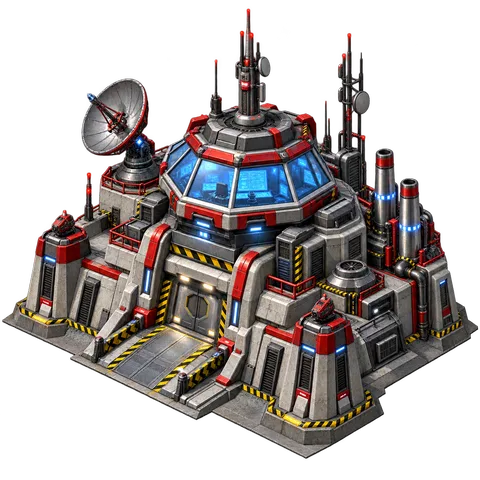 Settlement operations center
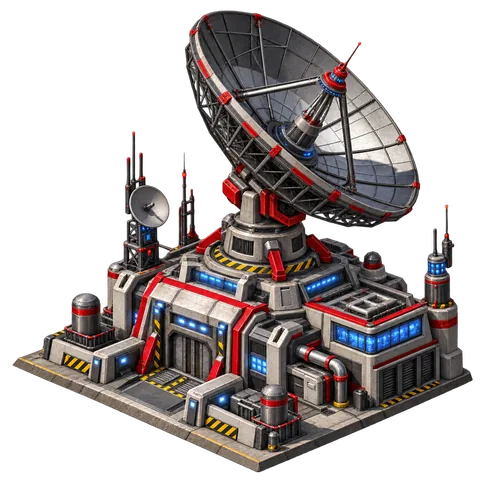 Far-side radio telescope
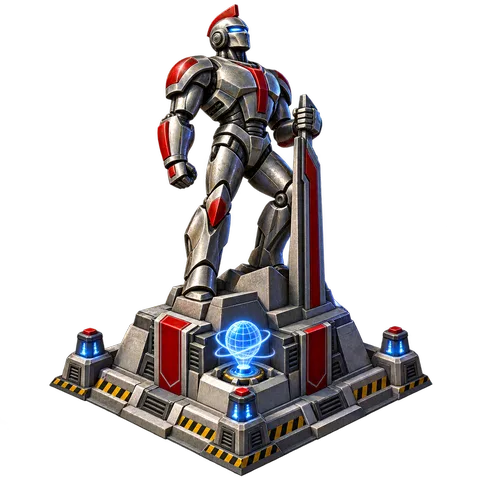 Robot monument
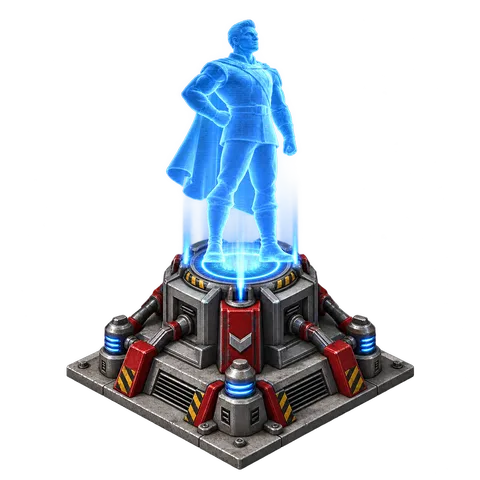 Hologram hall
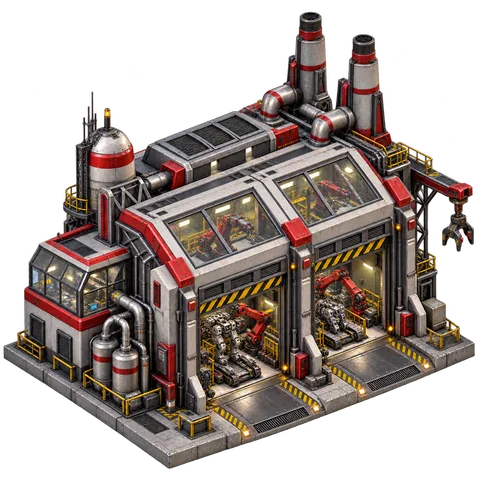 Robotics factory
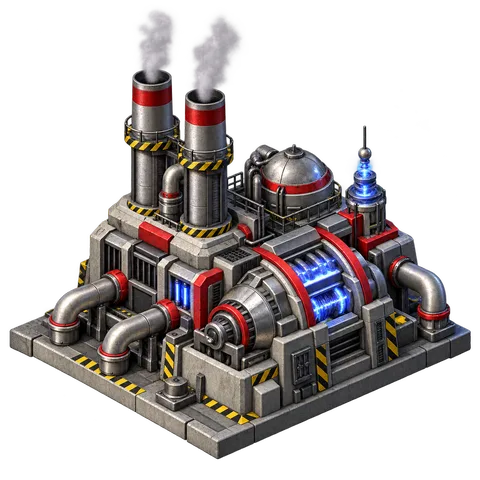 Oxygen factory
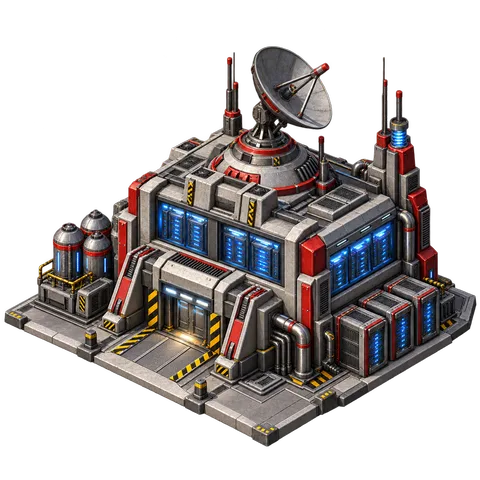 Science lab
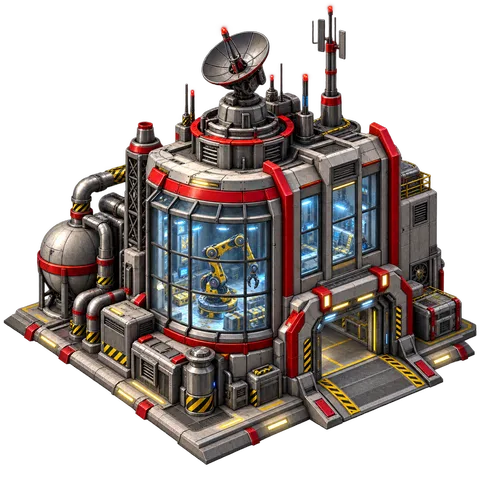 Medical bay
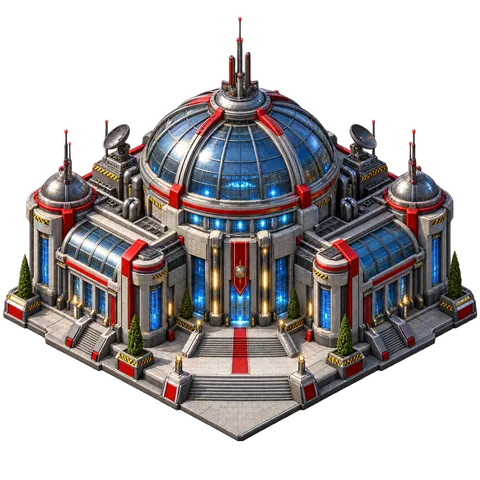 Civic dome
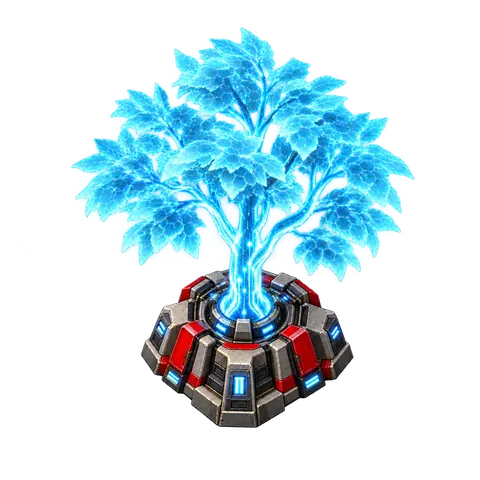
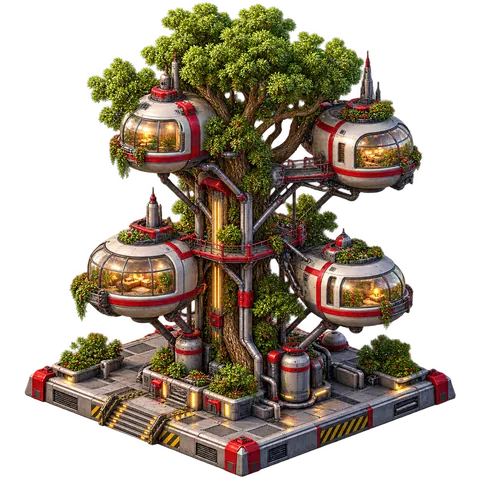 Tree pod habitat
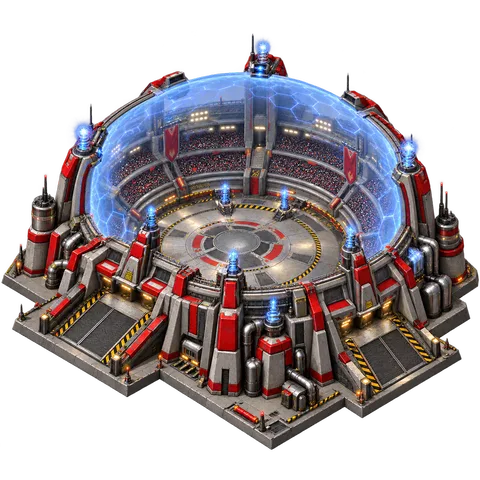 Spinning gravity arena
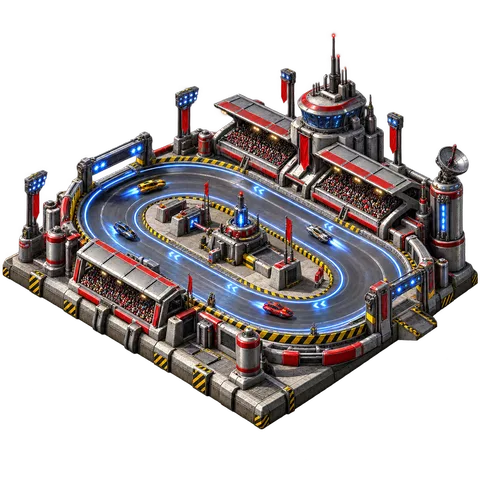 Rover test track
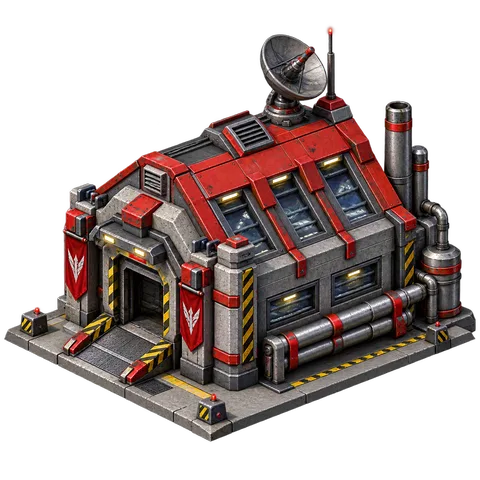 Airlock and suit hangar
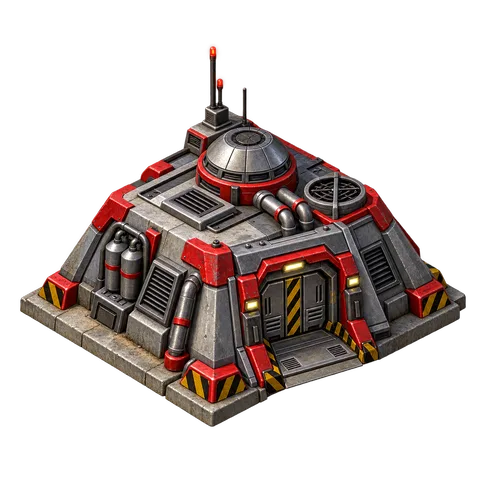 Radiation storm shelter
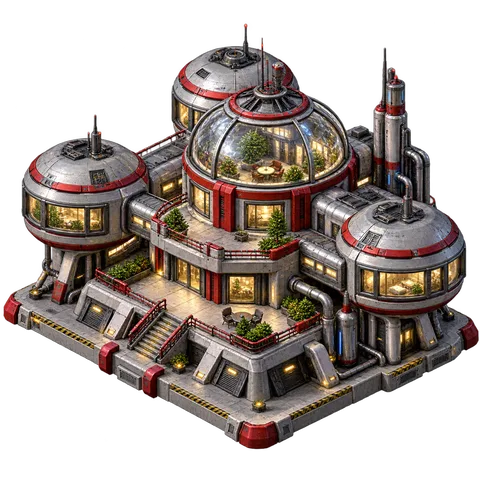 Life support dome
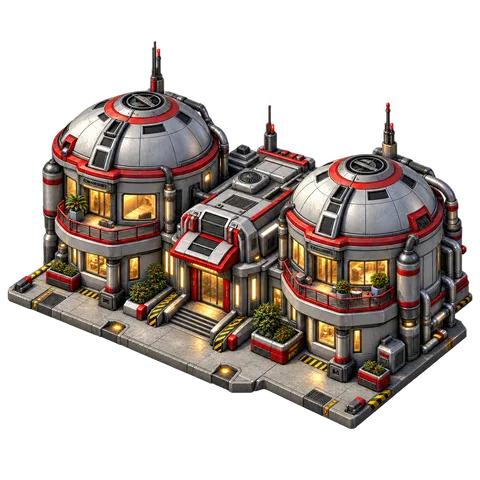 Moon base home
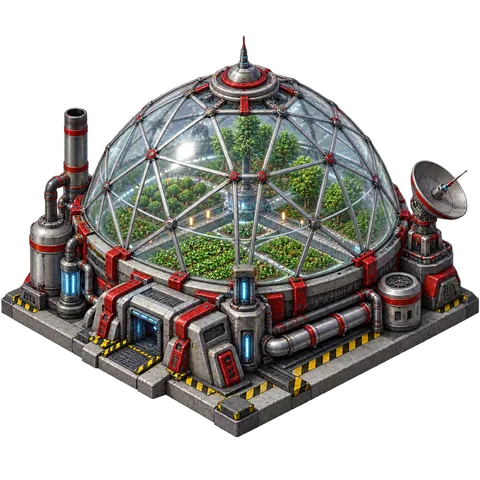 Greenhouse dome
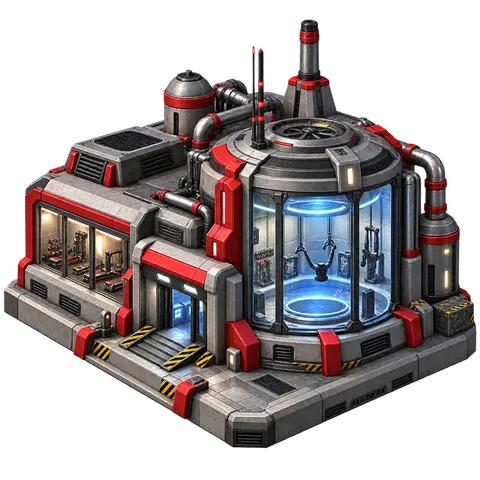 Low-gravity gym
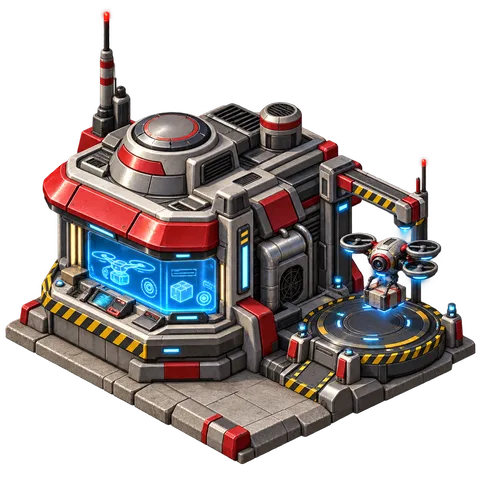 Fabrication shop
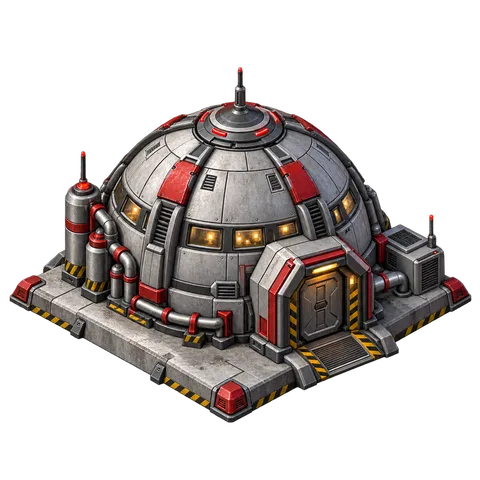 Printed shelter
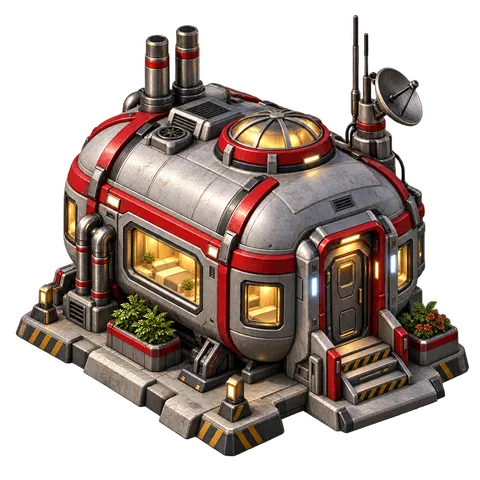 Pod home
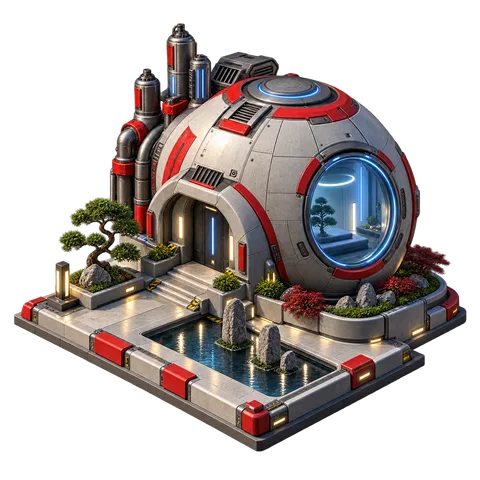 Ice mine and water works
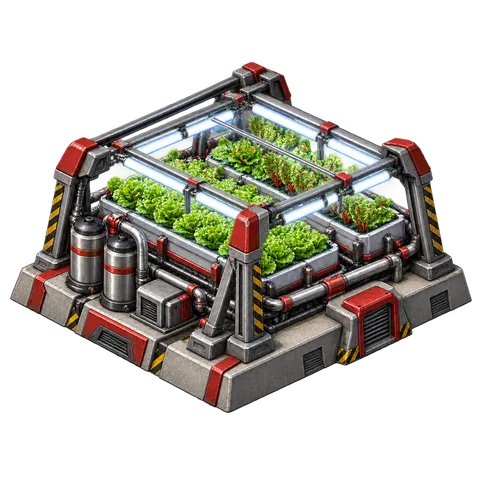 Indoor farm
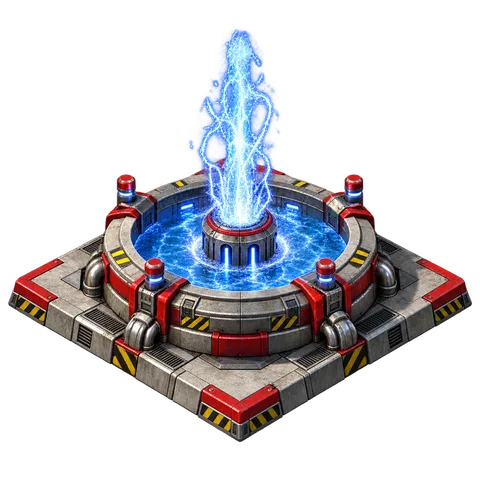 Water recycler
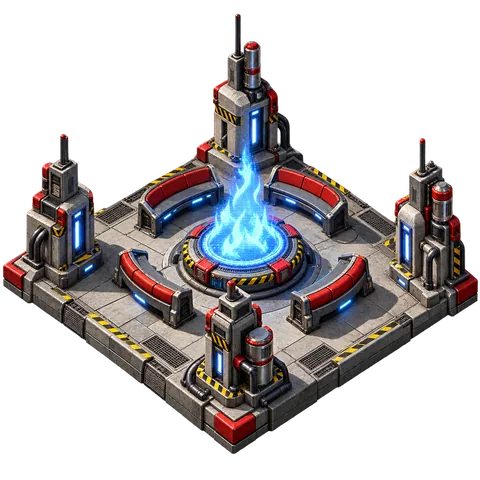 Community plaza
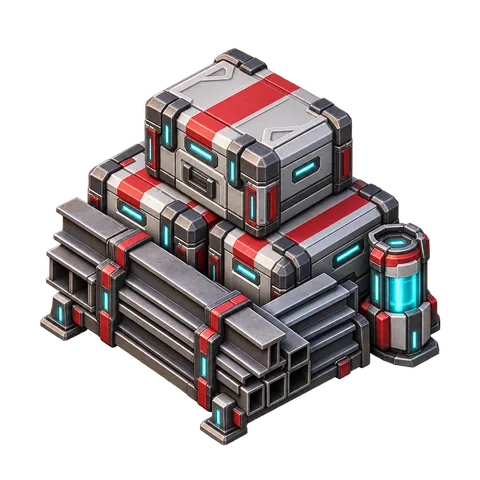 Space building materials
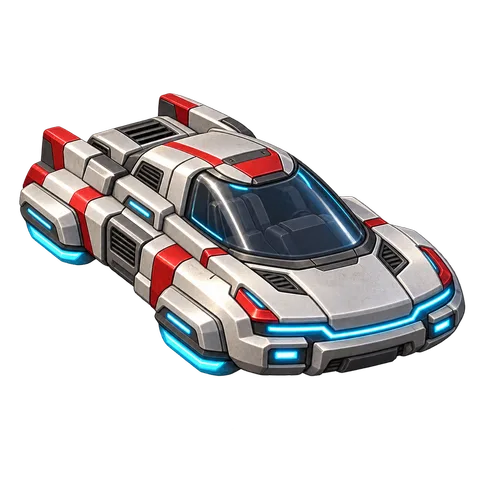 Hover car
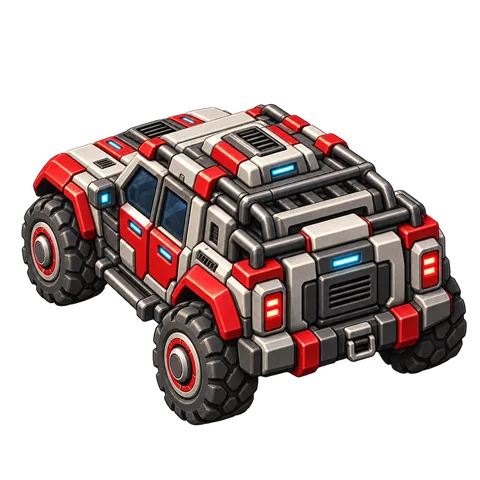 Pressurized rover
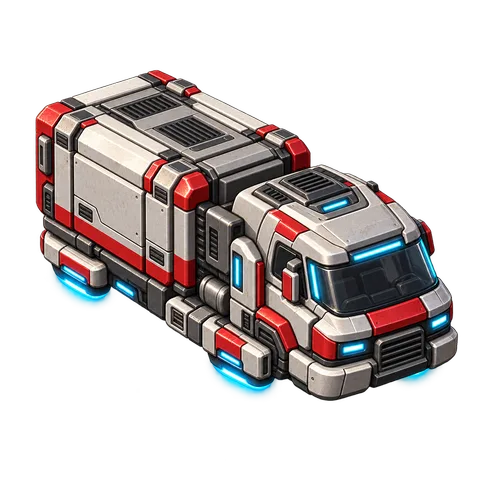 Cargo pod
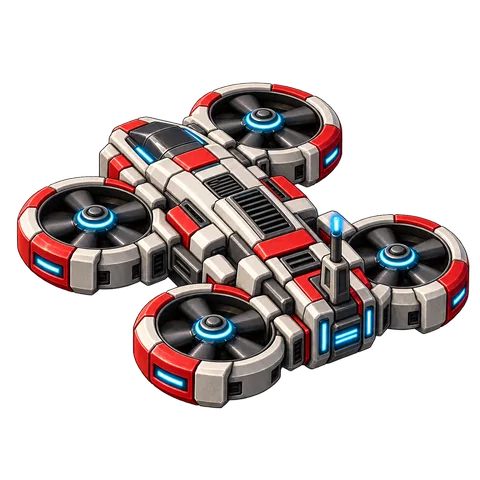 Drone taxi
 Settler
 Engineer
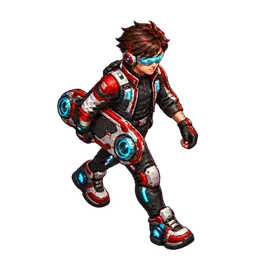 Pilot
 Security robot
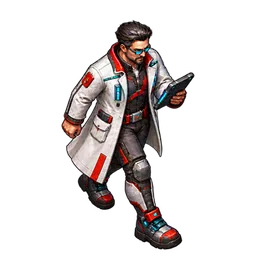 Doctor
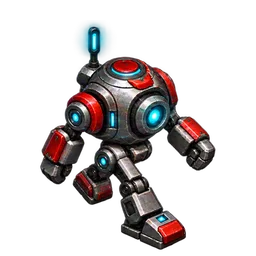 Helper robot
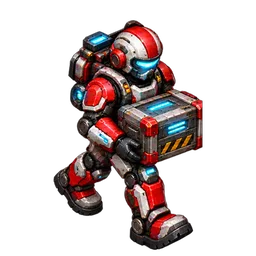 Cargo robot
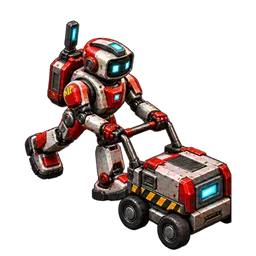 Cart robot
Point at anything on the map to learn what it is.
This is speculative design, not a prediction. Each page marks what is real today and what is still a possible future.
All 38 places and vehicles
Homes beyond Earth
How people could live safely where there is no air, little gravity and harsh radiation.
- Pod homeA compact home that could be launched folded up and inflated on arrival, giving astronauts much more space for its weight.
- Moon base homeLinked domes where a crew could live on the Moon, shielded from radiation and connected by pressurized tunnels.
- Printed shelterA dome-shaped home built by robots that 3D print walls from local soil, so heavy materials do not have to be launched from Earth.
- Radiation storm shelterA heavily shielded bunker where everyone could shelter for hours or days during a dangerous burst of radiation from the Sun.
- Airlock and suit hangarThe doorway between the habitat and the outside, where spacesuits are stored and the clingy, sharp dust is kept out.
Air, water and food
Life support: making, recycling and growing everything people need to stay alive.
- Life support domeThe machinery that keeps air breathable, removes carbon dioxide and controls temperature: the beating heart of any space home.
- Water recyclerA system that cleans and reuses almost every drop of water, including sweat and urine, because water is too precious to waste.
- Greenhouse domeA sealed dome where plants grow food, recycle water and turn carbon dioxide back into oxygen, like a small piece of Earth.
- Indoor farmRows of plants grown under lights in water instead of soil, producing fresh food year-round in a small space.
- Tree pod habitatLiving pods around a real tree, bringing the calm of nature to people living far from Earth.
- Ice mine and water worksA plant that would dig up frozen water from shadowed craters and turn it into drinking water, oxygen and rocket fuel.
- Oxygen factoryA factory that would pull oxygen out of the Martian air or Moon rock, so settlers can breathe and rockets can fly home.
Power, factories and building
Energy, robots and local materials to build and run a settlement.
- Power towerA compact nuclear reactor and power station that could provide steady electricity through the long lunar night or a Martian dust storm.
- Robotics factoryA factory where robots build, repair and maintain the settlement, working in conditions too dangerous or tiring for people.
- Fabrication shopA workshop where residents 3D print tools and spare parts on demand, and recycle broken items into new ones.
- Robotic craneA self-guided crane that lifts modules and soil on the Moon, where things weigh less but are just as hard to stop.
- Space building materialsModules from Earth, soil from the Moon and Mars, and recycled packaging: the materials of a future settlement.
Health and community
Keeping bodies strong, minds healthy and decisions fair, far from home.
- Low-gravity gymA gym where residents exercise every day to stop their bones and muscles from weakening in low gravity.
- Spinning gravity arenaA huge spinning ring where the push of rotation could feel like gravity, letting people walk normally in space.
- Medical bayA small hospital where crew members trained in medicine could treat illnesses and injuries with help from doctors on Earth.
- Community plazaA shared square where residents meet, eat and celebrate, because getting along matters as much as any machine.
- Civic domeA domed hall where residents decide the rules of their settlement, under international agreements about space.
Science and communication
Studying new worlds and staying in touch across millions of kilometers.
- Science labA laboratory to study rocks, ice and possible signs of life, while making sure Earth germs do not contaminate other worlds.
- Far-side radio telescopeA giant dish for listening to the universe, perhaps on the far side of the Moon, the quietest place for radio in our solar system.
- Communications relayA tower of antennas that would keep the settlement connected to orbiting satellites, other bases and Earth.
- Space weather stationA tower of sensors that would watch the Sun and warn the settlement of dangerous solar storms.
- Hologram hallA place where people far apart could see each other as life-size images, and where operators could control distant robots.
- Robot monumentA monument to the robots that went first: rovers, arms and helicopters that explore and work where people cannot yet go.
Travel and operations
Getting there, moving around and keeping everything running.
- Launch padA tower and pad where rockets are prepared and launched, built to survive enormous heat, noise and force.
- SpaceportA busy hub where reusable rockets land, are refueled and fly again, making travel to space cheaper and more regular.
- Space elevator anchorThe base of an imagined cable stretching into space, which climbers could ride up instead of using rockets.
- Rover test trackA track where crews test and train with rovers, the cars and trucks of the Moon and Mars.
- Mission controlThe control center where teams of experts watch over every spacecraft, ready to help the crew around the clock.
- Settlement operations centerThe local control room that runs the settlement's power, air, water and traffic, and takes charge in emergencies.
Vehicles and getting around
How people and goods move around the city.
- Hover carA car that floats above the road. Real maglev trains already float on magnets at over 400 km/h.
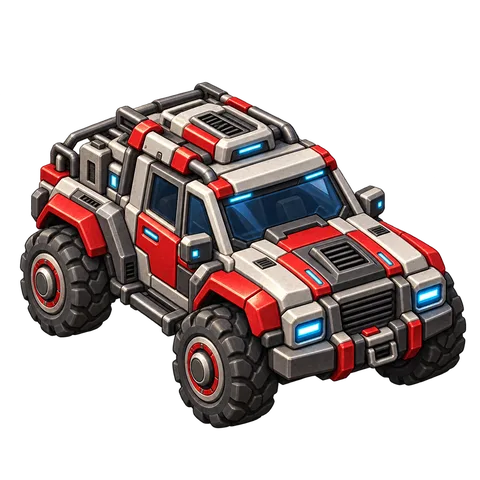 Pressurized roverA rugged rover with air inside, so astronauts can drive for days across the Moon without wearing spacesuits.
- Cargo podA self-driving cargo carrier. On Earth, giant trucks in some mines already drive themselves.
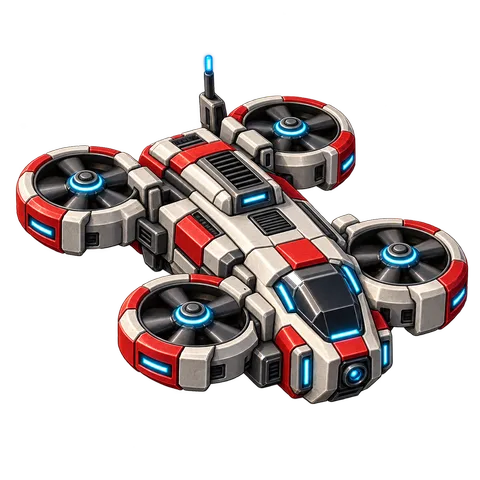 Drone taxiA flying vehicle with four rotors. A small helicopter has already flown on Mars, and a drone will fly on Saturn's moon Titan.
Keep exploring
Compare all six worlds See all Robotic Future artwork
Games with this world: Map hunt · World sort · Shadow match · Picture puzzle