Real world Why a settlement needs a square
Small groups living in isolation for a long time face real challenges: boredom, homesickness, disagreements and stress. Studies at Antarctic research stations and in simulated missions on Earth, such as the 520-day Mars-500 study, show that crews do better with a mix of private space and shared activities, clear roles, and ways to talk through problems.
Possible future How it would work
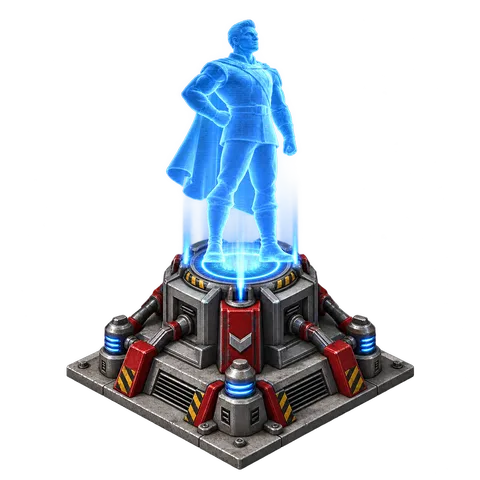
The plaza would be the biggest open space in the settlement, under a strong dome or underground with bright, changing light that follows a day-and-night cycle. People would gather for shared meals, games, music, celebrations and meetings. A central "flame" could be a light or hologram rather than real fire, because fire is very dangerous in a sealed space.
Possible future Building a good community
- Shared meals and traditions build trust.
- Celebrating birthdays and holidays keeps a sense of time.
- Quiet places matter as much as busy ones.
- Fair ways to settle disagreements prevent small problems growing.
Art In this artwork
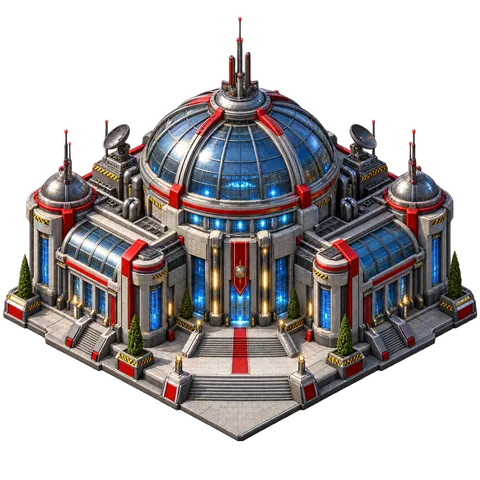
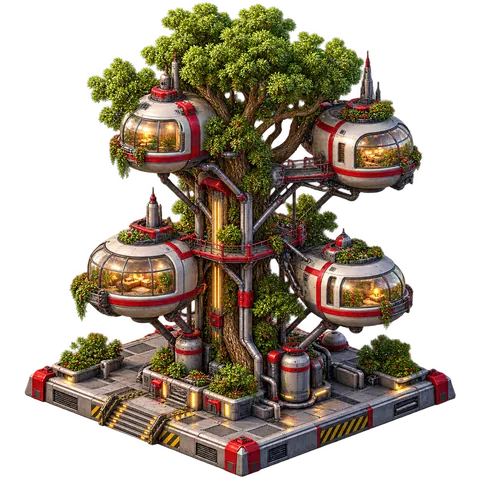
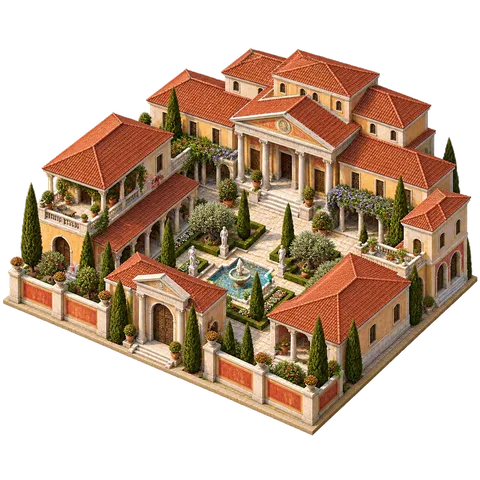
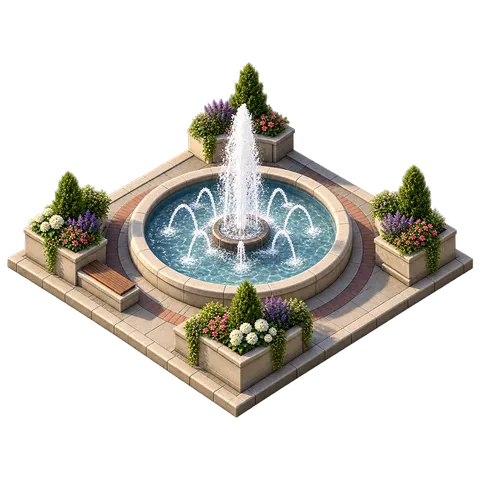
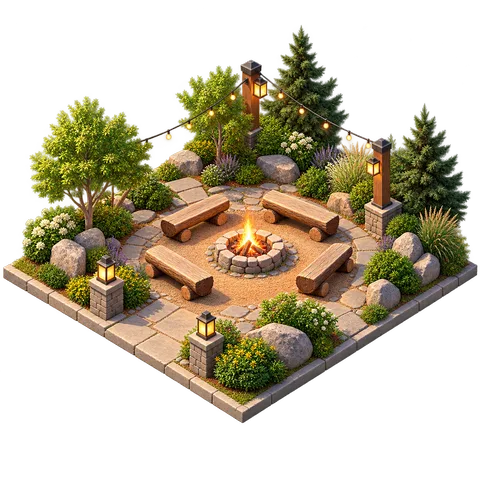
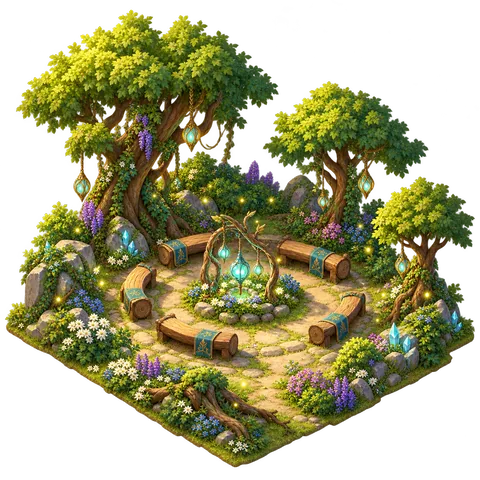
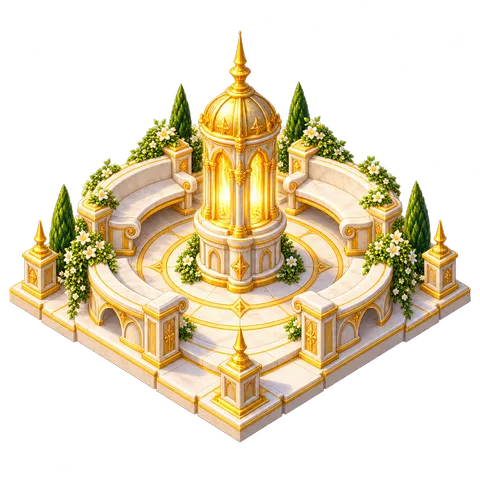
This illustration shows an open plaza with a central blue flame, surrounded by towers and seating.
Look closer
- Where could people sit or meet?
- Find the glowing flame. Why might it be a light instead of a fire?
Think about it
- In a highly automated city, where would people meet face to face?
- How do you get along with people when you cannot get away from them?
- What tradition would you start in a new settlement?
Key words
- Isolation
- Being cut off from others.
- Community
- A group of people who share a place and look out for each other.
- Circadian rhythm
- The body's daily cycle of sleeping and waking.
Use it in class
- Design a Mars colony: a student project (Project, grades 5-12)
Sources
The real-world facts on this page are based on these sources:
- European Space Agency and Institute of Biomedical Problems, Mars-500 isolation study (2010-2011)
- NASA Human Research Program, hazards of human spaceflight (radiation, isolation, distance, gravity, hostile environments)