Real world Why cities need squares
Since ancient times, from the Roman forum to the market squares of medieval towns, people have gathered in open public spaces. A good square is where friends meet, children play, markets set up, and a town celebrates or protests.
Real world What makes a square work
Researchers who have watched how people use squares found that simple things matter most: plenty of places to sit, shade and sun, food nearby, and something to watch, such as people, water or performers. Squares surrounded by shops and homes stay busy and feel safe.
- Seating: benches, steps and movable chairs.
- Shade: trees and awnings for hot days.
- Water: fountains for cooling, sound and play.
- Edges: shops and cafés facing the square.
- Access: level paths for wheelchairs and strollers.
Real world How a fountain works
Most modern fountains reuse the same water. A pump pushes water up through nozzles, it falls into the basin, is filtered and treated to keep it clean, and then pumped round again. The sound of splashing water can soften traffic noise and help people relax.
Real world Watching people
In the 1970s, the writer William H. Whyte and his team filmed New York City's plazas to find out why some were busy and others empty. The busiest had plenty of places to sit, especially chairs that people could move, and sat close to the street. He also noticed that people are drawn to places where other people already are.
Art In this artwork
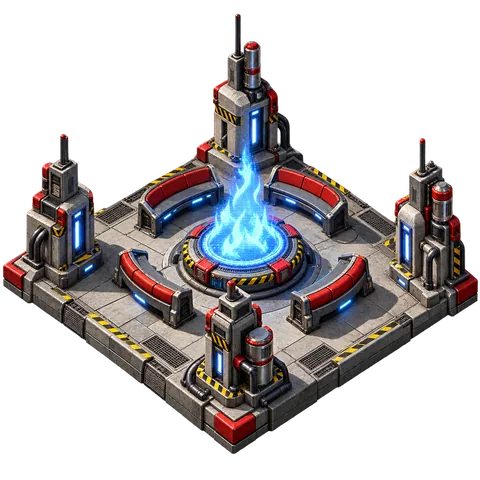
This illustration shows a round fountain with flower beds and benches.
Look closer
- Find the places to sit.
- Where would you stand to feel the cool spray?
Think about it
- What makes a public square feel welcoming: seating, shade, water, quiet?
- What events would you hold in a town square?
- Why might some people avoid a square, and how could that change?
Key words
- Plaza
- An open public square.
- Public space
- A place open to everyone.
- Recirculating
- Water that is pumped round and reused.
Use it in class
- Explore your town: a neighborhood walk and scavenger hunt (Lesson, grades K-8)
Sources
The facts on this page are based on these sources:
- UN-Habitat, "World Cities Report"
- Jane Jacobs, "The Death and Life of Great American Cities" (1961)
- US Environmental Protection Agency, "Heat Island Effect"
- William H. Whyte, "The Social Life of Small Urban Spaces" (1980) and the Street Life Project