History What it was
Many people living in crowded apartment blocks had no kitchen, and cooking fires upstairs were a danger. So they bought ready-made food and drinks from street counters. Pompeii had dozens of these snack bars.
History How it worked
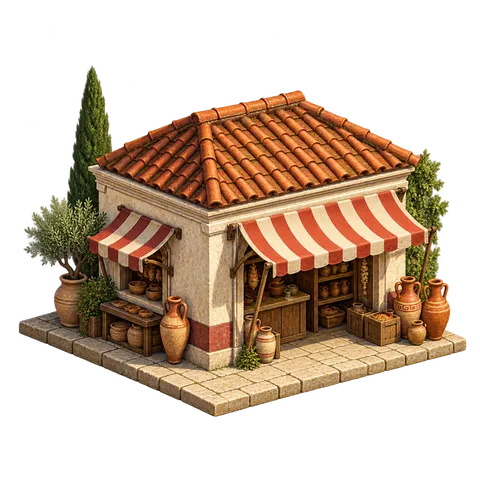
A typical snack bar had an L-shaped stone counter facing the street, with large jars set into the top. The jars held food and drink, which could be served hot or cold. Behind the counter there might be a small room for customers to sit.
Between 2019 and 2020, archaeologists in Pompeii uncovered a snack bar with its counter painted with bright pictures, including ducks and a rooster. Traces of food were found in the jars, giving clues about what people ate.
History Eating out
Popular foods included bread, cheese, lentils, beans, olives, fish sauce and spiced wine. Snack bars were busy, noisy places, and wealthy writers sometimes looked down on them, but for ordinary people they were an important part of daily life.
Art In this artwork
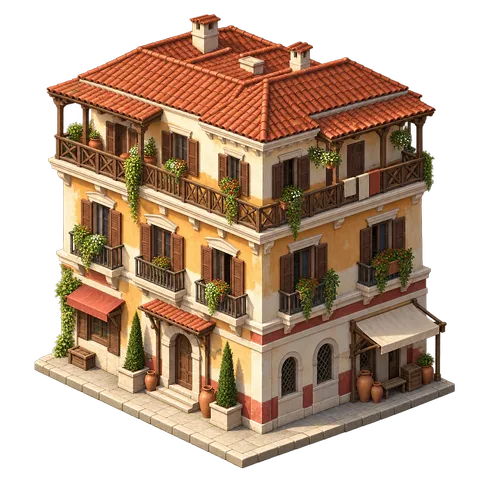
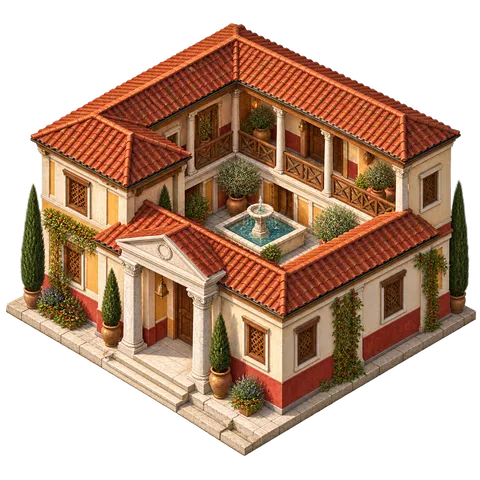
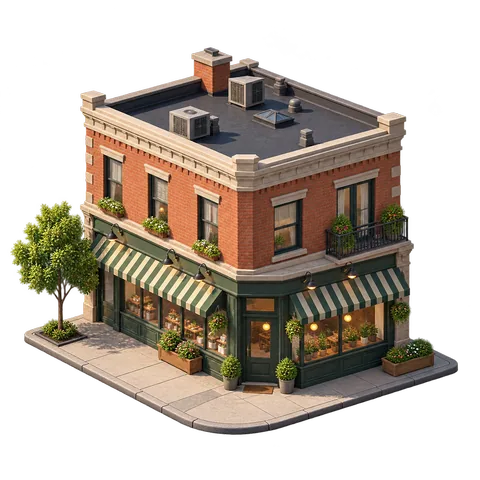
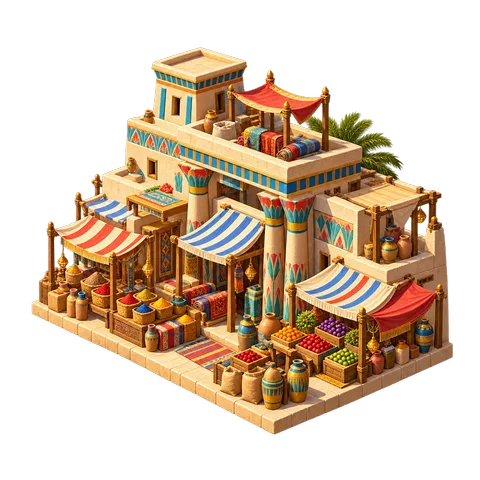
This illustration shows a shop with a home above. Real snack bars had a stone counter with jars set into it.
Look closer
- Find the counter and the storage jars.
- Where might the family who runs it live?
Think about it
- Why might people in apartment blocks rely on street food?
- What street food is popular where you live?
- What can food remains tell archaeologists?
Key words
- Thermopolium
- A modern name for a Roman snack bar (from Greek for "hot drink shop").
- Dolium
- A large clay jar; snack bars set them into their counters (plural dolia).
- Archaeologist
- Someone who studies the past by digging up objects and places.
Use it in class
- What was daily life like in ancient Rome? (Explainer, grades 5-12)
Sources
The history on this page is a short summary based on these sources:
- Parco Archeologico di Pompei, announcements on the Regio V thermopolium (2020)
- UNESCO World Heritage Centre, "Archaeological Areas of Pompei, Herculaneum and Torre Annunziata"