
Fairness and access
- Who gets the best parks, schools and air in a city, and why?
- Can everyone reach a grocery store, clinic and library without a car?
- Who was left out of decisions in ancient Rome? Who is left out today?
- Should cities spend money on stadiums or on libraries?
- What makes a public space feel welcoming, or unwelcoming?
Nature and the planet
- How much of a city should stay wild?
- Should trees and green roofs be required on new buildings?
- Is it better to improve old buildings or replace them?
- Who should pay to protect a city's water supply?
- What would a city designed by bees, or beavers, look like?
Technology and the future
- If robots did most work, what would people choose to do?
- Should humans settle Mars before solving problems on Earth?
- Who should own resources on the Moon?
- Can technology make a city fairer, or only faster?
- What should never be automated?
History
- What problem did ancient Rome solve better than we do?
- Why did Romans build monuments, and why do we?
- Which Roman invention do you still use?
- How do we know about daily life 2,000 years ago?
- What will historians in 2,000 years think of our cities?
Personal reflection
- Where do you feel most at home, and why?
- What is one thing you would change about your street?
- What is your favorite "third place" outside home and school?
- Which world on this site would you most like to live in?
- What makes a place feel safe to you?
Questions students and teachers ask
How do you run a Socratic seminar on cities?
Choose 3 to 5 questions, give students a building page or the Compare page to read as evidence, sit in a circle, and let students lead while the teacher only steps in to keep it fair.
Building pages to use with this guide
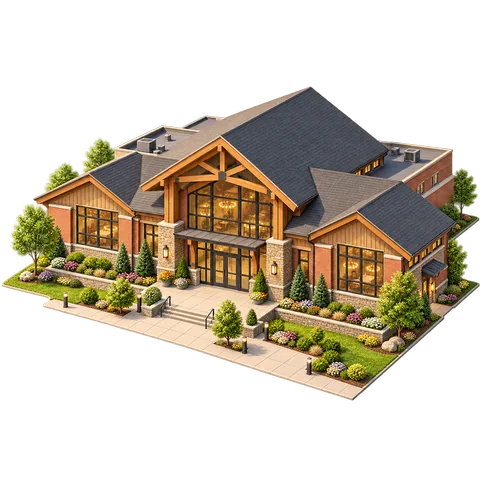 Modern TownCommunity centerA shared building for classes, clubs, meetings, celebrations and support, open to the whole neighborhood.
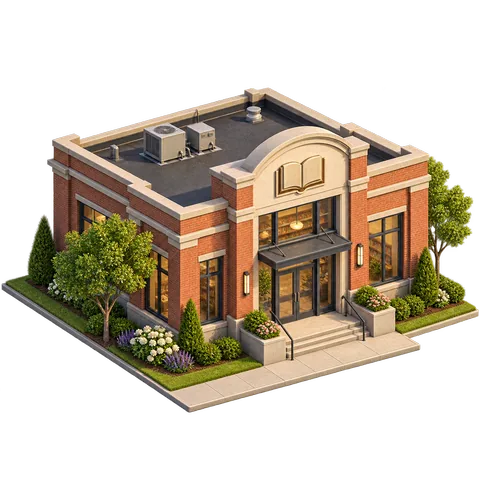 Modern TownPublic libraryFree books, internet, study space and help for everyone, with no one asked to pay at the door.
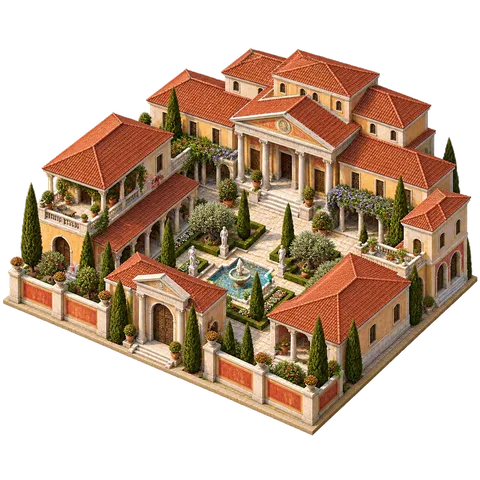 Ancient RomeForumThe central open square of a Roman town, surrounded by temples, law courts, shops and government buildings.
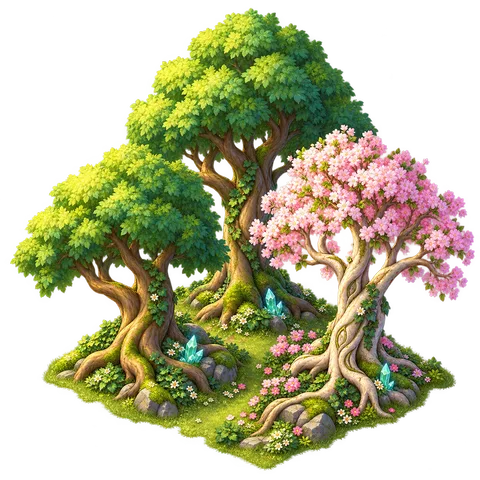 Elven Green WorldTiny forestA patch of trees left wild in the middle of the city. Real "tiny forests" plant dense native woods in spaces the size of a tennis court.
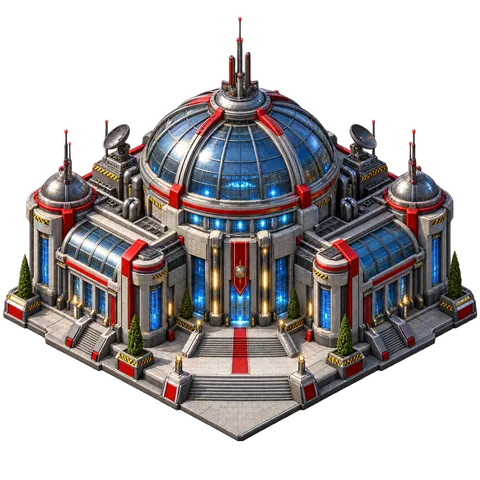 Robotic FutureCivic domeA domed hall where residents decide the rules of their settlement, under international agreements about space.
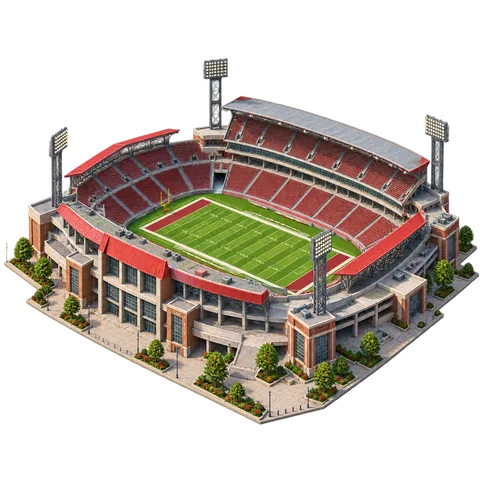 Modern TownStadiumA huge venue where tens of thousands of fans watch sport and concerts together.
Sources
The facts in this guide are based on these sources:
- Ray Oldenburg, "The Great Good Place" (1989)
- Jane Jacobs, "The Death and Life of Great American Cities" (1961)
- National Council for the Social Studies, "College, Career, and Civic Life (C3) Framework"