
Where it came from
Solarpunk grew online in the 2010s as a reaction to gloomy science fiction full of ruined, polluted cities. Artists and writers began imagining futures where people solved problems together.
Real technologies in solarpunk worlds
- Solar panels, wind and geothermal energy.
- Green roofs, living walls and vertical forests.
- Rain gardens and wetlands that clean water.
- Repair cafes, community gardens and shared tools.
- Walkable, bike-friendly streets and public transit.
Creative prompts for class
- Write a day in the life of a teenager in your town in 2075, solarpunk style.
- Redesign one street near school as a solarpunk street. Label every feature.
- Pick one building from the Green World on this site and write how it could work in a real city.
- Debate: is solarpunk realistic, or just a nice dream? What would it take?
Questions students and teachers ask
What does solarpunk mean?
A genre and movement that imagines a sustainable, community-focused future powered by clean energy and filled with nature.
Is solarpunk real?
It is imaginative, but many of its ideas, such as green roofs, solar power and community gardens, already exist today.
Building pages to use with this guide
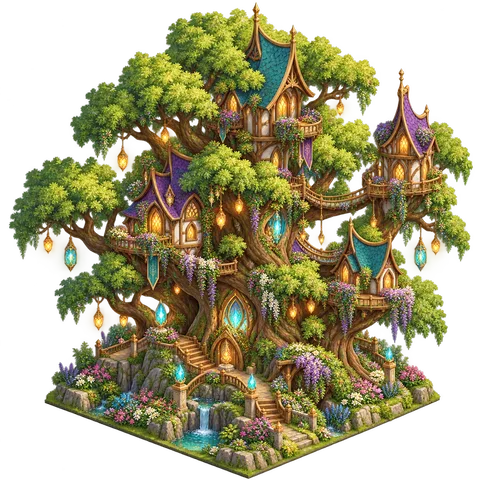 Green WorldTree tower homeAn imagined tower wrapped in trees. Real "vertical forests" plant hundreds of trees on the balconies of city apartment blocks.
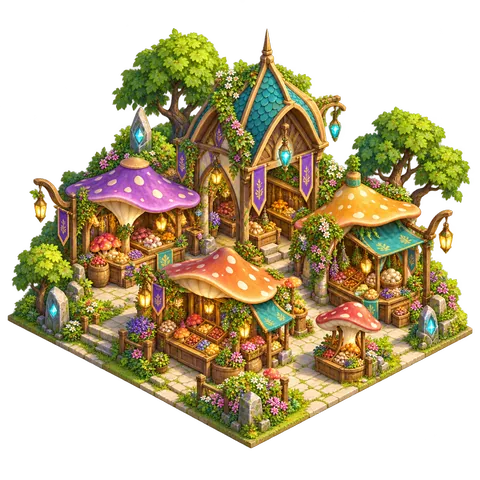 Green WorldCanopy marketMarket stalls under giant mushroom-shaped canopies. Real shade structures, and real trees, cool hot city squares.
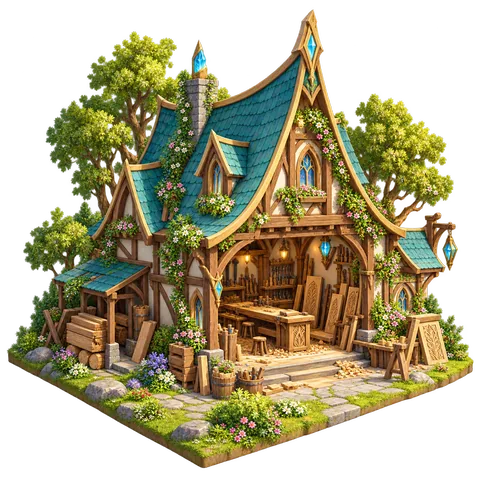 Green WorldRepair workshopAn imagined workshop where nothing is thrown away. Real repair cafés and well-managed forests keep materials in use.
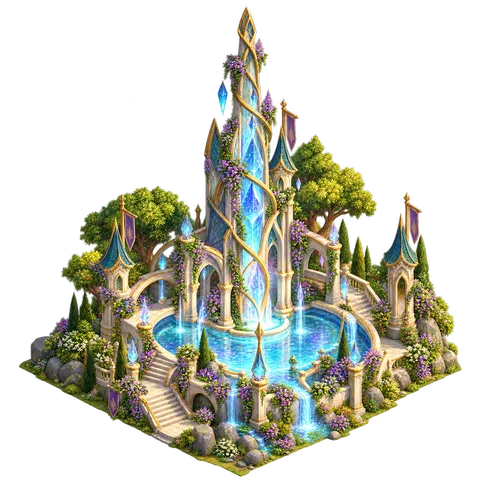 Green WorldWaterfall towerAn imagined tower with a waterfall pouring down it. Real micro-hydro systems turn falling water into electricity for homes and villages.
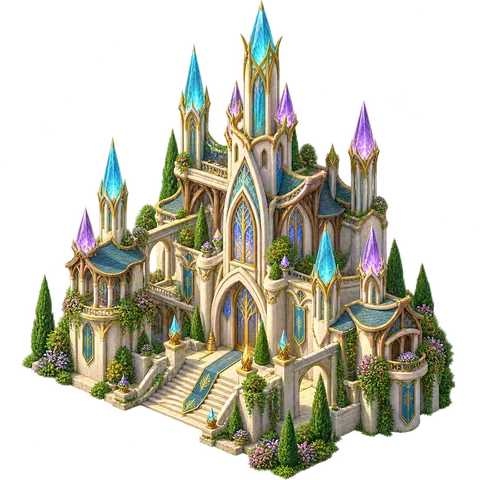 Green WorldPalace of the long futureAn imagined palace where leaders must think a hundred years ahead. Real governments have begun to create laws for future generations.
Sources
The facts in this guide are based on these sources:
- US Environmental Protection Agency, "Green Infrastructure"
- Janine Benyus, "Biomimicry: Innovation Inspired by Nature" (1997)