
Why Mars is hard
- The air is about 95% carbon dioxide and less than 1% as thick as Earth's.
- Average temperatures are around minus 60 degrees Celsius.
- No global magnetic field and a thin atmosphere mean much more radiation.
- Gravity is about 38% of Earth's.
- Messages take about 3 to 22 minutes to reach Earth, and a trip takes months.
Solving the basics
- Oxygen: NASA's MOXIE split carbon dioxide into oxygen on Mars, making 122 grams in total between 2021 and 2023.
- Water: ice exists on Mars and could be mined, melted and cleaned, then recycled again and again as on the space station.
- Food: plants grown indoors under LED lights, as in NASA's Veggie system.
- Shelter: homes covered with Martian soil or built underground to block radiation; 3D-printed habitats are being tested on Earth.
- Power: solar panels plus small nuclear reactors for dust storms and night.
Practice on Earth
NASA's CHAPEA mission had four volunteers live for 378 days (2023 to 2024) inside a 3D-printed Mars habitat in Houston, to study health and teamwork on long missions.
Questions students and teachers ask
Can humans breathe on Mars?
No. The air is mostly carbon dioxide and very thin. People would need spacesuits outside and sealed, pressurized homes.
How long does it take to get to Mars?
Around six to nine months with current rockets, and good launch windows come about every 26 months.
Is there water on Mars?
Yes, mostly as ice in the ground and at the poles. Settlers would need to mine and clean it.
Building pages to use with this guide
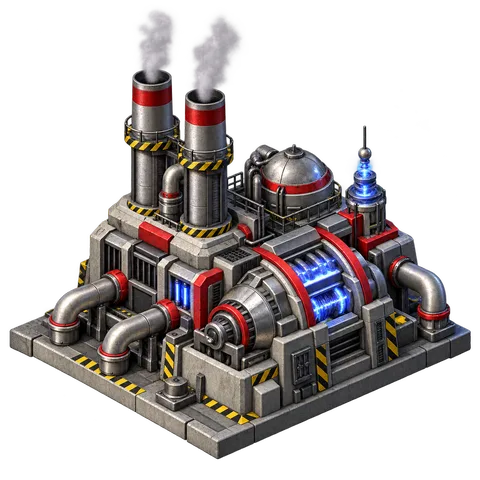 Robotic FutureOxygen factoryA factory that would pull oxygen out of the Martian air or Moon rock, so settlers can breathe and rockets can fly home.
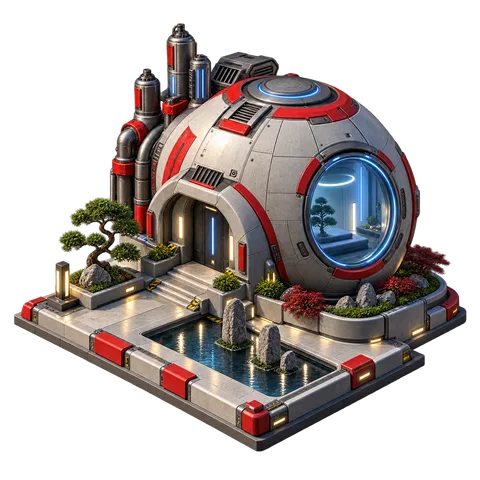 Robotic FutureIce mine and water worksA plant that would dig up frozen water from shadowed craters and turn it into drinking water, oxygen and rocket fuel.
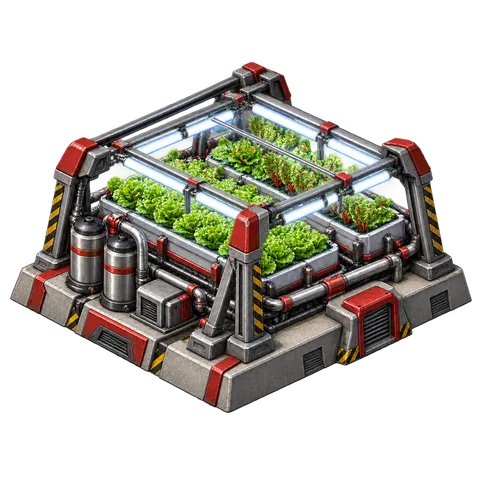 Robotic FutureIndoor farmRows of plants grown under lights in water instead of soil, producing fresh food year-round in a small space.
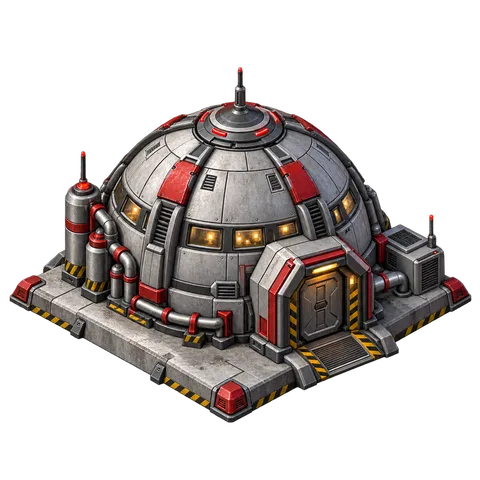 Robotic FuturePrinted shelterA dome-shaped home built by robots that 3D print walls from local soil, so heavy materials do not have to be launched from Earth.
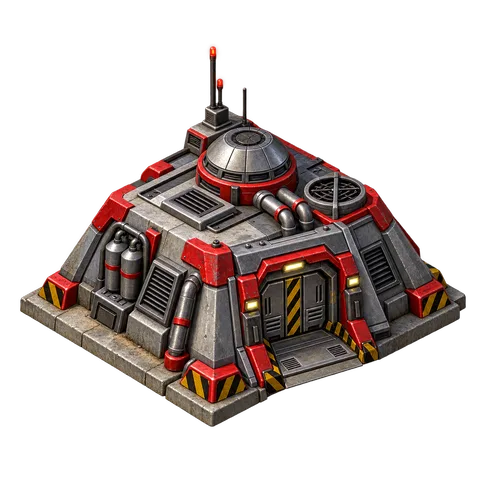 Robotic FutureRadiation storm shelterA heavily shielded bunker where everyone could shelter for hours or days during a dangerous burst of radiation from the Sun.
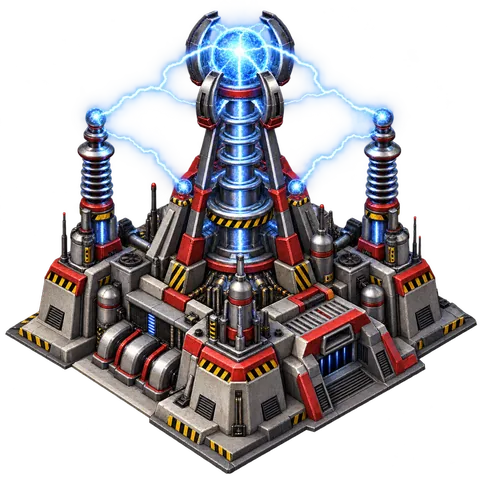 Robotic FuturePower towerA compact nuclear reactor and power station that could provide steady electricity through the long lunar night or a Martian dust storm.
Sources
The facts in this guide are based on these sources:
- NASA, Mars facts (atmosphere, gravity, temperature and day length)
- NASA Jet Propulsion Laboratory, MOXIE results (2021-2023)
- NASA, "Environmental Control and Life Support System" and 98% water recovery (2023)
- NASA, "Veggie" plant growth system
- NASA, Crew Health and Performance Exploration Analog (CHAPEA)
- NASA Human Research Program, five hazards of human spaceflight