
Air
The station makes oxygen by electrolysis: splitting water into hydrogen and oxygen. Carbon dioxide breathed out by the crew is removed by special filters. Fans keep air moving, because in weightlessness warm air does not rise.
Water
Water is collected from the air (breath and sweat) and from urine, then distilled, filtered and checked. In 2023 NASA announced the station could recover about 98% of the water crews bring aboard.
Food
Most food is shipped from Earth in packages. Astronauts have also grown and eaten fresh lettuce and other plants in NASA's Veggie plant growth system, first eating space-grown lettuce in 2015.
Exercise and health
Without gravity, bones and muscles weaken. Astronauts exercise about two hours a day on a treadmill (with a harness holding them down), a bicycle and a resistance machine.
Sleep
Astronauts sleep in small crew cabins, in sleeping bags attached to the wall so they do not float around.
Questions students and teachers ask
How do astronauts get oxygen on the ISS?
By splitting water into hydrogen and oxygen using electricity, a process called electrolysis.
Do astronauts drink their own urine?
Their urine is cleaned and recycled into drinking water that is purer than much tap water on Earth.
Why do astronauts exercise so much?
In weightlessness, bones and muscles weaken quickly, so about two hours of exercise a day helps keep them strong.
Building pages to use with this guide
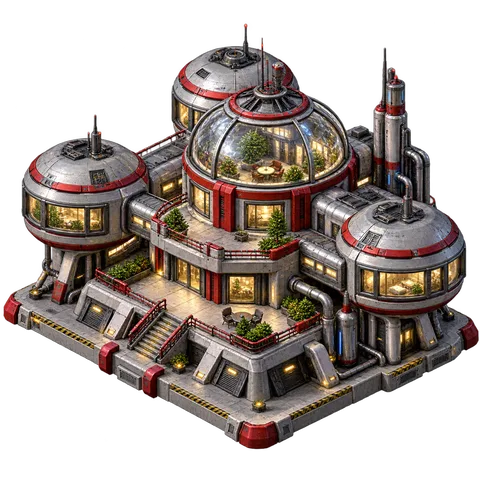 Robotic FutureLife support domeThe machinery that keeps air breathable, removes carbon dioxide and controls temperature: the beating heart of any space home.
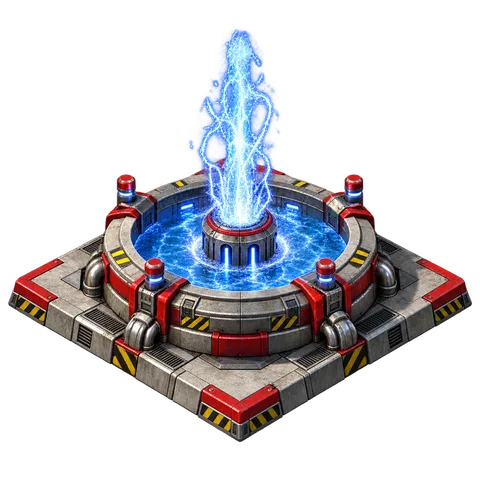 Robotic FutureWater recyclerA system that cleans and reuses almost every drop of water, including sweat and urine, because water is too precious to waste.
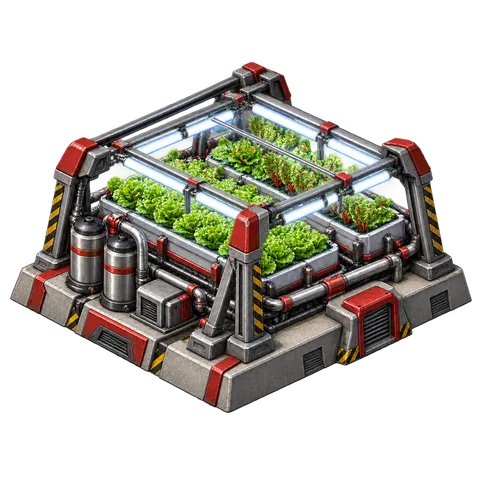 Robotic FutureIndoor farmRows of plants grown under lights in water instead of soil, producing fresh food year-round in a small space.
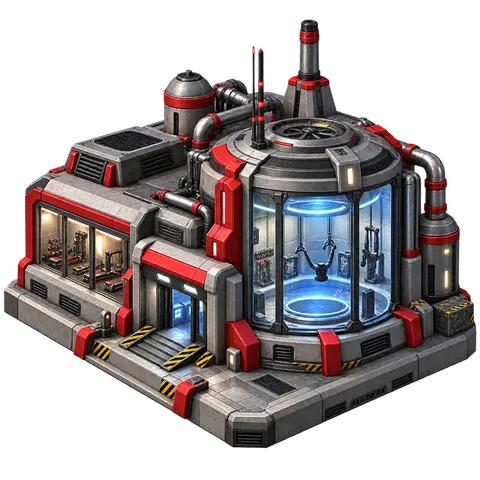 Robotic FutureLow-gravity gymA gym where residents exercise every day to stop their bones and muscles from weakening in low gravity.
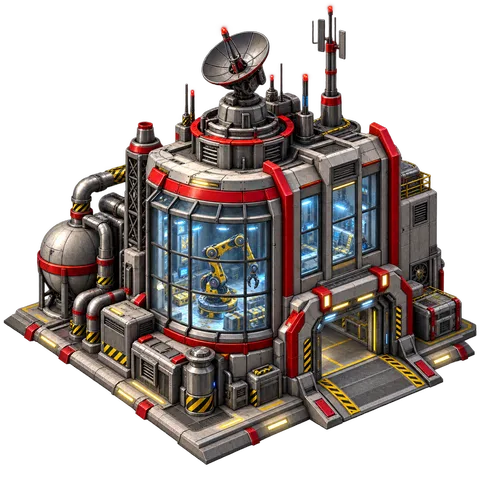 Robotic FutureMedical bayA small hospital where crew members trained in medicine could treat illnesses and injuries with help from doctors on Earth.
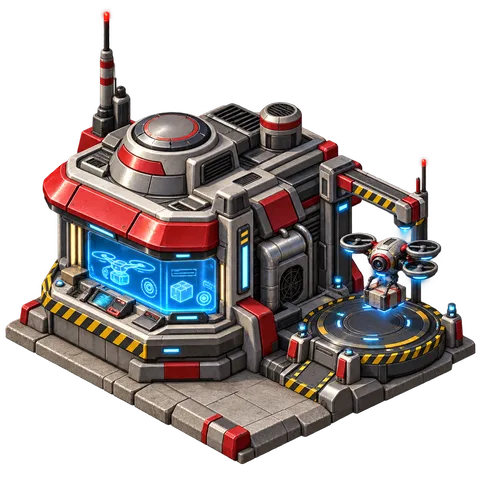 Robotic FutureFabrication shopA workshop where residents 3D print tools and spare parts on demand, and recycle broken items into new ones.
Sources
The facts in this guide are based on these sources:
- NASA, "International Space Station facts and figures"
- NASA, "Environmental Control and Life Support System" and 98% water recovery (2023)
- NASA, "Veggie" plant growth system
- NASA Human Research Program, five hazards of human spaceflight