Imagined What it could do
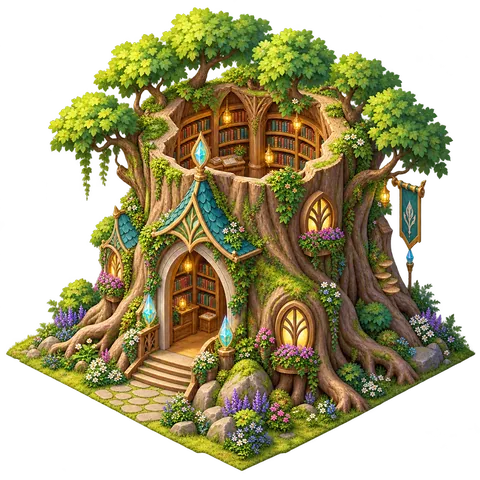
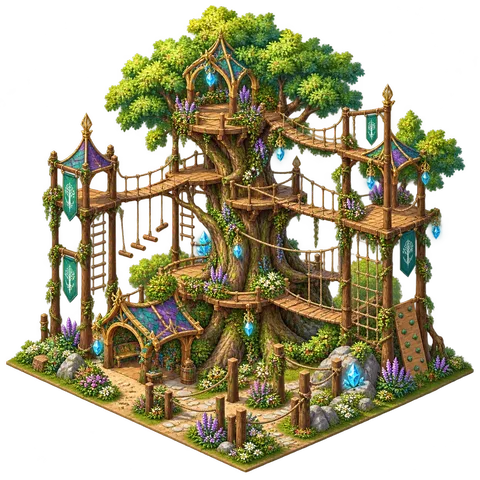
Imagine a school where classrooms perch in the branches, lessons happen on rope bridges and in clearings, and the forest itself is the textbook: counting leaves, tracking animals and watching the seasons change.
Real world Real forest schools
Forest schools began in Scandinavia in the mid-20th century, where children spend long periods playing and learning outdoors in woods, whatever the weather. The idea has spread to many countries. Children might build dens, light small fires with adult help, use simple tools, identify plants and animals, and make art from natural materials.
Supporters say regular time outdoors builds confidence, teamwork, physical skills and a love of nature. Leaders are trained to help children take manageable risks safely.
Real world What a forest school needs
- A safe woodland or green space, regularly checked for hazards.
- Warm, waterproof clothing, so bad weather does not stop learning.
- A simple shelter, such as a tarp, for rest and storage.
- Trained leaders and small groups.
- Respect for nature: leave the woods as you found them.
Art In this artwork
This illustration shows a timber school built among trees, with stairs, platforms and a balcony.
Look closer
- Find the stairs and the platforms.
- Where could a class meet outdoors?
Think about it
- What would learning outdoors offer? What would it need in bad weather?
- What could you learn in a wood that you cannot learn indoors?
- How could a forest school include children who use wheelchairs?
Key words
- Outdoor learning
- Lessons that happen outside.
- Risky play
- Play that is exciting and a little challenging, managed safely.
- Den
- A simple shelter.
Sources
The real-world facts on this page are based on these sources:
- Forest School Association (UK), history and principles of forest school
- Liz O'Brien and Richard Murray, "Forest School and its impacts on young children", Urban Forestry and Urban Greening (2007)