Real world Why hands-on science?
Traditional museums often keep objects behind glass. In 1969 the physicist Frank Oppenheimer opened the Exploratorium in San Francisco, where visitors could touch, build and experiment with exhibits that showed how light, sound, electricity and living things work. The idea spread worldwide, and science centers now welcome millions of school groups and families.
Real world How an observatory dome works
A telescope needs to point at any part of the sky but also be protected from rain and wind. The answer is a dome with a long opening called a slit. Motors rotate the dome so the slit faces the right direction, and shutters open to let the telescope see out. Observatories are best placed away from bright city lights.
Real world What a science center does for a town
- Sparks curiosity and helps people understand science in the news.
- Supports teachers with workshops and resources.
- Hosts public star-gazing nights, talks and events.
- Brings visitors who also spend money in local businesses.
Art In this artwork
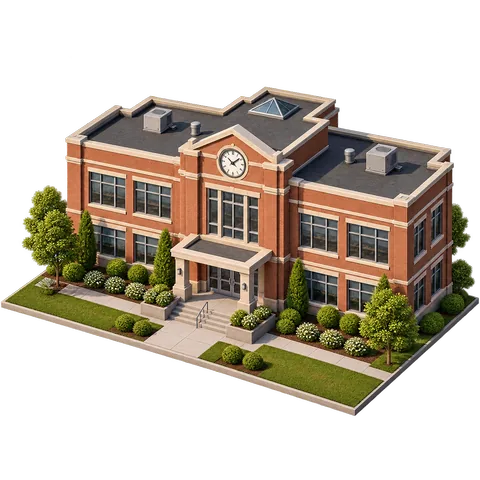
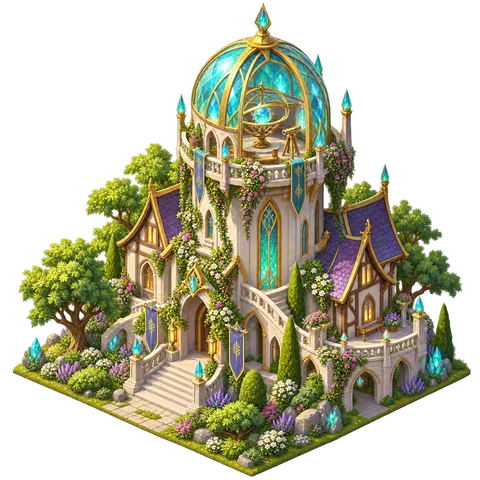
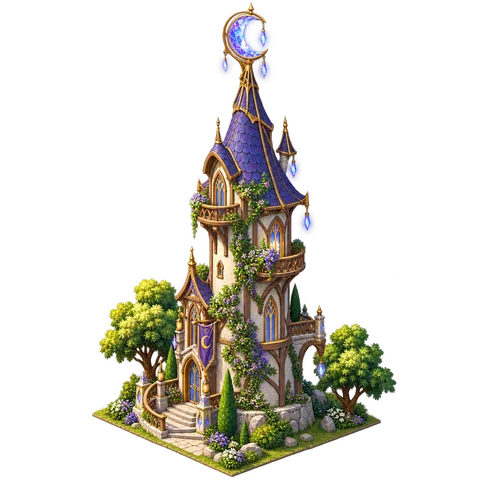
This illustration shows a modern building with a white observatory dome and a telescope peeking out.
Look closer
- Find the slit in the dome and the telescope.
- Notice the big glass windows. What might be inside?
Think about it
- What experiment would you most like to try?
- Why might an observatory be better outside a big city?
- How can museums make science welcoming to everyone?
Key words
- Observatory
- A building with telescopes for studying the sky.
- Light pollution
- Artificial light that hides the stars.
- Exhibit
- Something displayed for people to explore.
Sources
The facts on this page are based on these sources:
- Exploratorium, San Francisco, history of the museum (founded 1969)
- International Council of Museums, museum definition (2022)