Real world Why exercise needs a place
Regular physical activity lowers the risk of heart disease, diabetes and some cancers, and helps mental health. The World Health Organization recommends that adults get at least 150 to 300 minutes of moderate activity each week, and that children and teenagers get an average of 60 minutes a day.
Many people find it easier to exercise with equipment, classes and other people around, especially when it is dark, cold or very hot outside.
Real world What is inside
- Gym floors with weights, treadmills and bikes.
- Studios for dance, yoga and fitness classes.
- Sports halls and sometimes swimming pools.
- Changing rooms, showers and accessible facilities.
Real world A place for everyone
Public recreation centers are often run by the town and keep prices low, with discounts for young people, older people and people on low incomes. Good design includes step-free access, equipment for different abilities, and classes for people who are new to exercise.
Art In this artwork
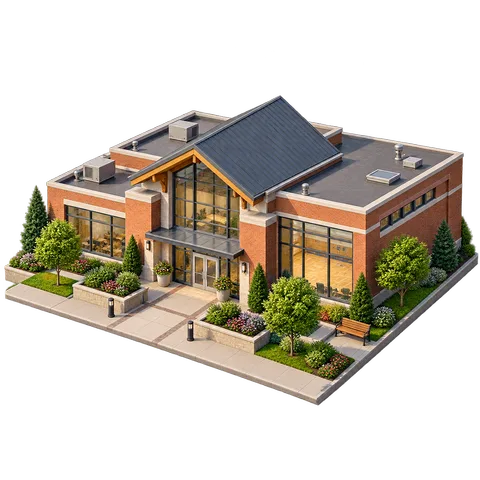
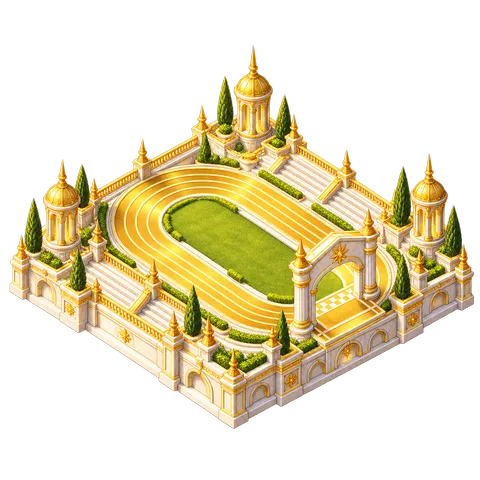
This illustration shows a gym with large glass windows and exercise machines inside.
Look closer
- Look through the windows. What equipment can you see?
- Find the bike rack outside.
Think about it
- What makes it easier or harder for people to exercise regularly?
- Should public gyms be free? Who would pay?
- How could a gym welcome people who feel nervous about exercise?
Key words
- Moderate activity
- Exercise that makes you breathe faster but still able to talk.
- Cardio
- Exercise that works the heart and lungs.
- Strength training
- Exercise that builds muscle.
Sources
The facts on this page are based on these sources:
- World Health Organization, "Guidelines on physical activity and sedentary behavior" (2020)
- National Recreation and Park Association, research on park and recreation services