History What it was
Before printing, every book had to be written by hand. In monasteries, monks and nuns worked in a scriptorium, a writing room with good light, copying the Bible, prayer books and works of history, medicine and science. Much of what we know about the ancient world survives because they copied it.
History How a book was made
Pages were made of parchment, animal skin that was soaked, scraped and stretched until it was thin and smooth. Scribes wrote with quill pens made from feathers, dipped in ink made from things like oak galls and soot.
- Scribes ruled faint lines so the writing stayed straight.
- They copied the text, leaving spaces for pictures and big letters.
- Artists painted colorful pictures and borders, sometimes with gold leaf, which is why these books are called illuminated: they seem to shine.
- The pages were sewn together and bound between wooden boards covered in leather.
History Books you can still see
The Lindisfarne Gospels, made in England around 700, are kept at the British Library. The Book of Kells, made around 800, is at Trinity College Dublin. Both are copies of the four Gospels about Jesus. Hand copying slowly gave way after Johannes Gutenberg began printing with movable type in the 1450s.
Art In this artwork
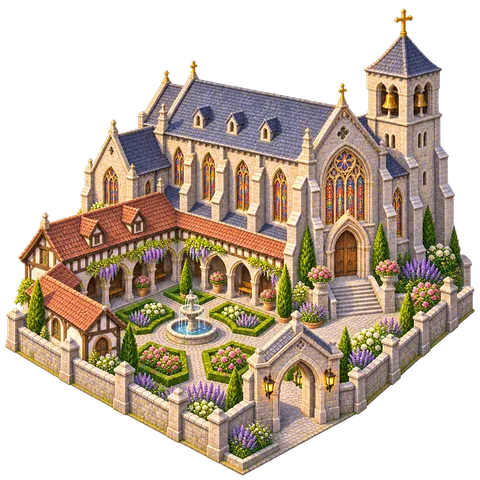
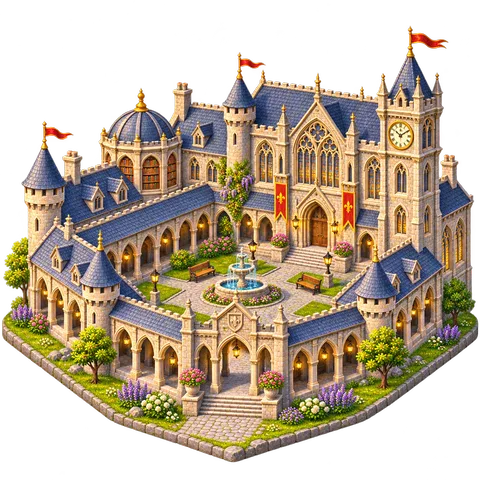
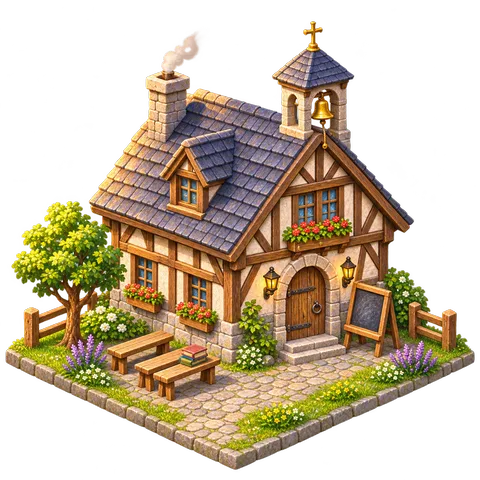
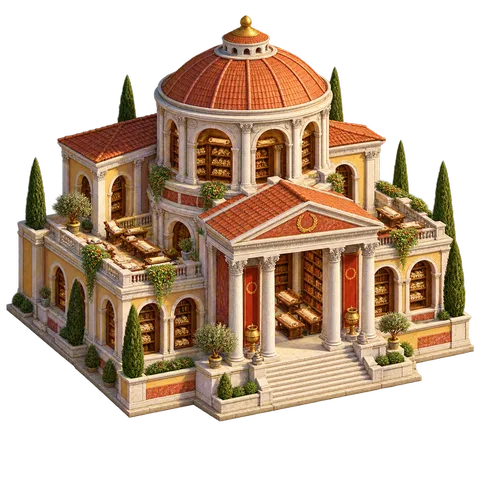
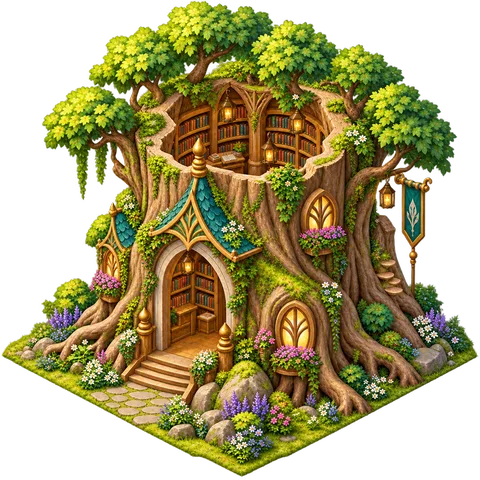
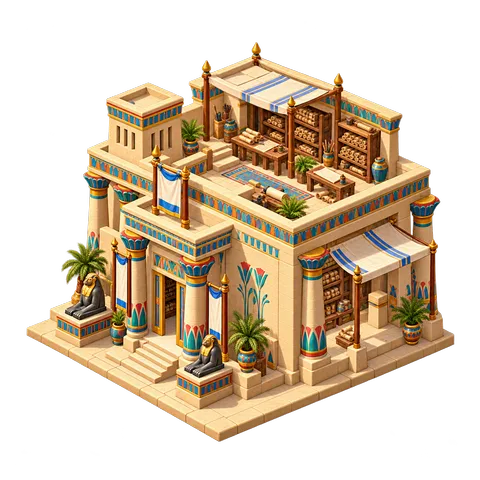
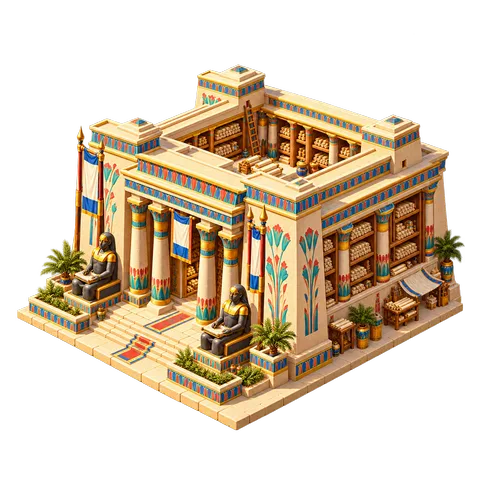
The shelves of books and open door are drawn in a cozy storybook style. Real scriptoria were often part of a cloister.
Look closer
- Find the tall windows. Why would scribes want them?
- Look for the shelves of books.
Think about it
- How long do you think it would take you to copy one book by hand?
- Why was printing such a big change?
- Which book would you choose to save for the future?
Key words
- Parchment
- Writing material made from animal skin.
- Quill
- A pen made from a bird's feather.
- Illuminated
- Decorated with bright colors and gold.
Sources
The history on this page is a short summary based on these sources:
- Encyclopaedia Britannica, "Illuminated manuscript", "Scriptorium" and "Parchment"
- British Library, "The Lindisfarne Gospels"
- Trinity College Dublin, "The Book of Kells"
- Encyclopaedia Britannica, "Johannes Gutenberg"