History What it was
Many market towns in Britain set up a stone cross in the market square. It marked the spot where trading took place, and the cross reminded buyers and sellers that God saw whether they dealt fairly.
The cross was also where people gathered for news. Town criers read out announcements there, and preachers spoke to the crowds on market days.
History Places you can still see
Later market crosses grew into small open shelters where traders could keep dry. The market cross in Chichester, England, built around 1501, is a grand stone shelter with arches on eight sides. Malmesbury and Salisbury also have tall stone market crosses from the late Middle Ages.
Art In this artwork
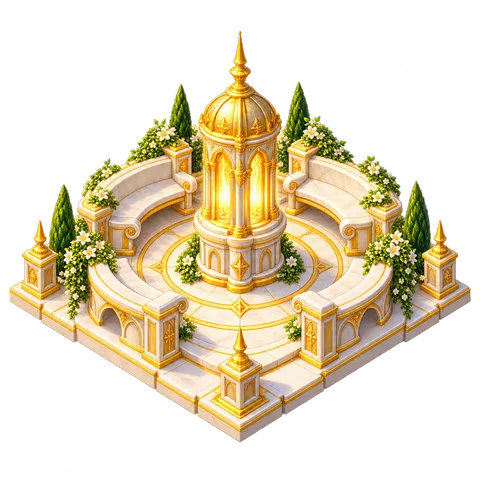
This cross stands on a stepped stone base, like many real ones. Its carving is the artist's design.
Look closer
- Count the steps of the base.
- Who might sit on those steps on market day?
Think about it
- Why would a cross help remind people to be honest?
- Where are announcements made in your town today?
- What makes a good meeting place?
Key words
- Market square
- An open space where a market is held.
- Town crier
- A person who called out news in the streets.
- Charter
- A written grant of rights, like the right to hold a market.
Use it in class
- Medieval market day: a lesson on guilds and trade (Lesson, grades 3-7)
Sources
The history on this page is a short summary based on these sources:
- Encyclopaedia Britannica, "Fair" and "Market"